

What to Do After Hurricane Flooding: The First 48 Hours
Si usted es propietario de una vivienda en Fort Walton Beach y está pensando en pintar su propiedad, la primera pregunta que surge es: ¿ cuánto costará realmente? La verdad es que no hay una respuesta única: el precio depende de varios factores que un profesional evalúa durante una visita al lugar. En esta guía, analizaremos qué influye en los costos de pintura en la Costa Esmeralda de Florida y cómo PROS REM ayuda a los propietarios a obtener un presupuesto preciso y sin sorpresas.
¿Qué factores determinan el costo de pintar una casa?
Los costos de pintura varían mucho porque cada propiedad es diferente. Estos son los principales factores que un profesional calificado considera antes de darle un presupuesto:
- Tamaño de la propiedad: La superficie en metros cuadrados influye directamente en los costos de mano de obra y materiales. Una casa de una sola planta suele costar menos que una de dos plantas, ya que tiene mayor superficie de paredes y molduras.
- Pintura interior frente a pintura exterior: La pintura exterior en zonas costeras como Fort Walton Beach a menudo requiere materiales más duraderos y resistentes a la intemperie debido a la exposición al sol, la humedad y la sal, lo que puede afectar al precio total.
- Estado de la superficie: Las paredes con grietas, pintura descascarada, manchas de agua o daños en el yeso necesitan reparaciones antes de pintar, lo que aumenta el coste total pero garantiza un acabado más duradero.
- Calidad y acabado de la pintura: Los acabados premium, con bajo contenido de COV o especiales (como los recubrimientos elastoméricos para exteriores) cuestan más que la pintura estándar, pero ofrecen una mayor durabilidad, especialmente en climas húmedos.
- Número de capas necesarias: Las paredes más antiguas o de color más oscuro pueden requerir dos o más capas para lograr una cobertura uniforme y profesional.
- Molduras, puertas y trabajos de detalle: Pintar zócalos, puertas, armarios o trabajos de molduras intrincados requiere más tiempo y precisión, lo cual se tiene en cuenta en el precio final.
Por qué adivinar el precio en línea no es suficiente
Muchos propietarios buscan en internet un precio fijo por metro cuadrado, pero las estimaciones genéricas rara vez reflejan el estado real de una propiedad, sobre todo en un entorno costero como Fort Walton Beach, donde la humedad y el aire salino aceleran el desgaste. Por eso, un presupuesto preciso siempre debe provenir de una evaluación presencial realizada por un profesional con experiencia , no de una calculadora genérica en línea.
Cómo PROS REM te ayuda a obtener un presupuesto preciso y rápido
En PROS REM, sabemos que los propietarios buscan claridad y rapidez. Por eso, nuestro proceso se basa en tres pilares fundamentales:
- Atención inmediata (visita rápida): Programamos una visita a sus instalaciones con rapidez para que no tenga que esperar semanas para recibir un presupuesto.
- Evaluación y diagnóstico personalizados: Nuestros técnicos inspeccionan sus paredes, molduras y superficies exteriores para identificar lo que realmente se necesita, sin ventas adicionales innecesarias ni conjeturas.
- Soluciones rápidas: Una vez que acordemos el alcance del proyecto, nos pondremos a trabajar de manera eficiente, minimizando las molestias en su hogar y su rutina diaria.
Este enfoque le permite obtener un precio realista y transparente basado en el estado real de su propiedad, y no una estimación genérica que cambia una vez que comienzan las obras.
Obtén tu presupuesto gratuito y sin compromiso.
Si desea saber con exactitud cuánto costará pintar su casa en Fort Walton Beach, el siguiente paso es programar una visita rápida de nuestro equipo. Recorreremos su propiedad, hablaremos sobre sus objetivos y le proporcionaremos un presupuesto claro y honesto, sin cargos ocultos.
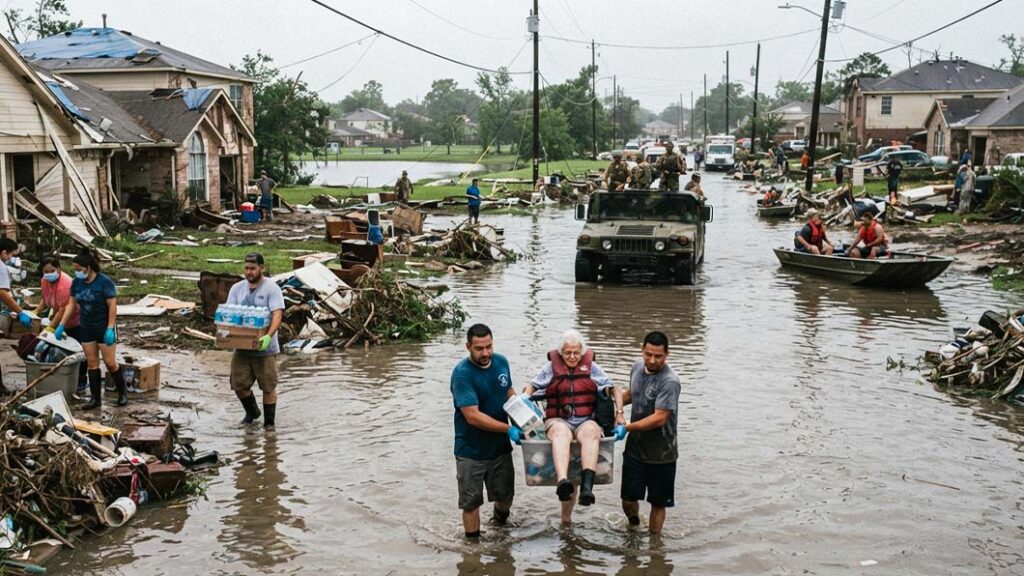
Solicita hoy mismo tu presupuesto profesional de pintura con PROS REM.When the winds die down and the water finally begins to recede, most Florida homeowners ask the same overwhelming question: where do I even start? If Hurricane Isaias left floodwater in your home, you are not alone, and you are not behind. But the choices you make over the next two days matter more than most people realize.
Water damage after a hurricane gets worse by the hour. Moisture soaks into drywall, insulation, and subflooring, and the U.S. Environmental Protection Agency notes that mold can begin to grow within 24 to 48 hours. At the same time, your insurance claim depends on the evidence you gather right now.
This guide walks you through the first 48 hours in a calm, practical order: staying safe, documenting the damage, contacting your insurer, and drying out your home so repairs can begin the right way. It was written for homeowners across Fort Walton Beach, Destin, Miramar Beach, Panama City Beach, and the rest of the Florida Panhandle.
This article offers general guidance. It is not a substitute for medical, legal, or insurance advice, or for instructions from your local officials and insurance company.
Step 1: Make Sure It Is Safe to Be in Your Home
Your safety comes before your belongings. Do not return home until local officials say it is safe, especially if roads are still flooded or evacuation orders remain in place. Once you can go back, check for these hazards before you do anything else:
- Electricity. If water has reached your outlets, appliances, or electrical panel, do not touch anything electrical while standing in water. If you can reach your main breaker from a dry spot, turn the power off. If you cannot, call your utility company or a licensed electrician.
- Gas. If you smell gas, which is often described as a rotten-egg odor, leave immediately and call your gas company or 911 from outside.
- Structural damage. Look for sagging ceilings, cracks in the foundation, shifting floors, or loose stairs. If anything looks unstable, stay out and ask a professional to inspect it.
- Generators. Run them outdoors only, and keep them at least 20 feet from windows, doors, and vents, as the Centers for Disease Control and Prevention recommends. Carbon monoxide is a serious danger after hurricanes.
- Debris and wildlife. Broken glass, exposed nails, snakes, and insects often move in with the floodwater. Wear sturdy boots and heavy gloves.
If you are unsure about any of these, wait. Nothing in your home is worth an injury.
Step 2: Treat All Floodwater as Contaminated
Floodwater is rarely just water. It often carries sewage, fuel, chemicals, and bacteria from streets, yards, and storm drains. Because of that, plan to protect yourself every time you step into an affected area.
- Wear waterproof boots, rubber gloves, and eye protection. An N95 mask is a good idea once you start handling damp or dusty materials.
- Wash your hands thoroughly with soap and clean water, especially before eating.
- Cover any cuts or scrapes, and ask your doctor whether your tetanus shot is up to date.
- Keep children, pets, and older family members out of the affected areas until they have been cleaned.
- Follow any boil-water notice issued for your area.
These precautions may feel like extra work when you are already exhausted. They are the simplest way to avoid illness during recovery.
Step 3: How to Document Water Damage After a Hurricane
Before you move, throw away, or repair anything, document it. Your photos and notes are the foundation of your insurance claim, and adjusters rely on them to understand what you lost.
- Take wide shots and close-ups. Photograph every affected room from several angles, then capture details such as stained walls, warped floors, and damaged appliances.
- Show the waterline. Hold a tape measure against the wall to show how high the water reached.
- Record a video walkthrough. Narrate what you see, including the room, the date, and what was damaged.
- Photograph the outside, too. Include the roof, siding, windows, garage, and any fallen trees or debris.
- Make an inventory. List damaged belongings with a rough purchase date and value. Receipts, past photos, and online order histories can help.
- Back it all up. Save copies to the cloud or email them to yourself so they are safe even if your phone is lost.
If you have older photos showing your home before the storm, keep them. They can help show the condition of your floors, walls, and finishes.
Step 4: Call Your Insurance Company Early
Report the damage as soon as you reasonably can. Ask for your claim number, and write down the name of everyone you speak with. Florida law and your policy both set deadlines for reporting losses, so waiting is never to your advantage.
It also helps to understand what your policy may and may not cover:
- A standard homeowners policy typically covers wind damage, but it generally does not cover flood damage.
- Flood coverage usually comes from a separate policy, either through the National Flood Insurance Program (you can learn more at FloodSmart.gov) or through a private insurer.
- If your county is included in a federal disaster declaration, you may also qualify for FEMA assistance. Check DisasterAssistance.gov for current information.
When you call, ask these questions:
- Do I need to wait for an adjuster before starting temporary repairs?
- Which emergency repairs and living expenses are covered?
- What documentation do you need from me?
- What are my deadlines?
Keep a simple log of every call and email, and save every receipt for emergency expenses.
Step 5: Stop Additional Damage
Most insurers expect you to take reasonable steps to prevent further loss. That does not mean doing everything yourself. It means protecting your home from getting worse while you wait for repairs.
- Shut off the main water supply if you suspect broken pipes.
- Cover roof openings and broken windows with tarps or boards. Do not climb onto a wet or damaged roof yourself. Hire a professional.
- Lift and move what you can. Place furniture on blocks or aluminum foil, and move rugs, electronics, and valuables to a dry area.
- Remove standing water only when it is safe. Photograph it first, and never use a household vacuum on water.
- Keep receipts for tarps, plywood, fans, and any other temporary supplies.
These small steps protect both your home and your claim.
Why Water Damage After a Hurricane Gets Worse Every Hour
Drying is a race against time. Water travels through building materials much farther than you can see, wicking up walls and settling into the spaces behind them. The longer materials stay wet, the more likely mold is to grow and the more of your home may need to be replaced.
Florida’s humidity makes this harder. Damp air outside slows natural drying, so opening windows alone rarely does the job.
Here is what helps during the first 48 hours:
- Run box fans and dehumidifiers, but only if your electricity is safe and the outlets are dry.
- Use your air conditioning if the system was not flooded and your power is back on.
- Remove soaked rugs, cushions, and loose items so air can reach the floors and walls.
- Check for hidden moisture behind baseboards, inside cabinets, and in closets.
For heavily flooded homes, professional drying equipment, such as industrial dehumidifiers, air movers, and moisture meters, is often the only way to dry out structure and subfloors completely. A restoration company can also measure moisture inside walls, which is something you cannot judge by touch.
What to Keep and What to Throw Away
It is hard to part with belongings, but items soaked by floodwater can carry bacteria that are difficult to remove. A good general rule is: when in doubt, throw it out. Before you discard anything, photograph it and confirm with your adjuster if you are unsure.
Usually must be discarded:
- Mattresses, carpet padding, and upholstered furniture
- Wet insulation and ceiling tiles
- Food, medicine, and cosmetics that touched floodwater
- Stuffed toys and soft items that cannot be washed at high heat
Often salvageable with careful cleaning:
- Solid wood, metal, glass, and plastic items, washed with hot water and detergent, then disinfected
- Dishes and cookware, washed and sanitized properly
Photos and papers: Do not let them sit wet. Place them in freezer bags and put them in the freezer. This stops mold from growing until you have time to dry them carefully or take them to a professional.
Drywall, Insulation, and Flooring: What Usually Has to Come Out
This is the question we hear most often, and the honest answer is that it depends on the type of water and how long materials stayed wet. In general, floodwater is considered contaminated, so porous materials that absorbed it are usually removed rather than dried.
- Drywall. It acts like a sponge, and moisture often travels above the visible waterline. Professionals commonly cut the wet section out above the line to be sure the wall is dry and clean behind it.
- Insulation. Wet insulation loses its effectiveness and holds moisture against the framing. It is typically replaced.
- Carpet and padding. These are usually replaced after floodwater exposure.
- Hardwood, laminate, and vinyl plank. Boards may buckle, cup, or trap moisture underneath. Some can be saved if caught early, but many cannot.
- Tile. Tile itself often survives, but the subfloor and grout lines below may still be wet.
- Cabinets and baseboards. Particleboard swells and breaks down quickly, while solid wood fares better.
One warning: never paint over or cover damp walls or floors. Doing so traps moisture, hides the problem, and invites mold. Painting and new flooring come last, after everything is truly dry.
Hiring Help After a Hurricane: How to Avoid Storm Chasers
After a major storm, contractors from out of town and unlicensed operators often appear within days. Many are honest, but some are not, and homeowners who are stressed and in a hurry are easy targets. Protect yourself with these steps:
- Verify the license. Florida contractors can be checked through the Department of Business and Professional Regulation at MyFloridaLicense.com.
- Ask for proof of insurance and get it in writing.
- Get a written estimate and contract that clearly describes the scope of work, the materials, the timeline, and the total cost.
- Be cautious with large deposits. Never pay the full amount upfront, and be wary of cash-only requests.
- Do not sign over insurance rights or sign paperwork you have not read and understood.
- Check local references. A contractor with a real address and a long record in your community is far easier to hold accountable.
- Ask about permits. Many storm repairs require permits, and your local building department can tell you what applies to your home.
Also keep in mind that water extraction and mold remediation are specialized services. In Florida, mold assessment and remediation are regulated and generally require licensed professionals. Choose the right specialist for each phase of the work.
Your 48-Hour Checklist
Hours 0 to 6
- Confirm the home is safe to enter: power, gas, structure.
- Put on protective gear.
- Photograph and film all damage before touching anything.
Hours 6 to 24
- Contact your insurance company and get a claim number.
- Shut off water if pipes are damaged and cover roof or window openings.
- Move valuables to a dry area and begin removing standing water if it is safe.
Hours 24 to 48
- Start drying with fans and dehumidifiers, or schedule a professional restoration company.
- Sort belongings into keep, clean, and discard, with photos of everything you toss.
- Collect quotes from licensed, local contractors for the repairs ahead.
How Pros Rem Can Help You Rebuild
Once your home is dry, the insurance process is moving, and the structure is safe, the rebuilding phase begins. That is where Pros Rem comes in. We are a Fort Walton Beach remodeling company, and we work with homeowners across Destin, Miramar Beach, Panama City Beach, and the surrounding communities. Our team handles the repair work that follows water damage, including demolition and cleanup, drywall repair and replacement, flooring installation, and painting.
We also do something most contractors do not. Before any work begins, we use AI-powered visual previews so you can see your repaired space, your colors, and your finishes in advance. For many homeowners, that turns a stressful rebuild into something they can look forward to, because they approve the look first and we build it second.
If your home was affected by Hurricane Isaias and you are ready to start planning repairs, contact Pros Rem today for a free estimate. You can also learn more about our drywall services, flooring services, and professional painting services.
Frequently Asked Questions
How quickly does mold grow after hurricane flooding? Mold can start growing within 24 to 48 hours in damp conditions, which is why drying quickly is so important. In Florida’s humid climate, the risk is even higher.
Can I stay in my home after a flood? It depends on the damage. If you have no safe power or drinking water, if floodwater contaminated living areas, or if anyone in the household has asthma, allergies, or a weakened immune system, you may want to stay elsewhere until the home is cleaned and dried. Ask your insurer whether temporary living expenses are covered.
Will my insurance pay for hurricane water damage? It depends on your policy and on the source of the water. Wind-driven damage and flood damage are often treated differently, and flood coverage usually requires a separate policy. Call your insurer as early as possible and review your coverage carefully.
When should I start repairs? Begin safety and drying steps immediately. Hold off on permanent repairs such as drywall, flooring, and painting until your adjuster has documented the damage and the structure is completely dry.
Final Thoughts
Recovering from a hurricane is a marathon, but the first 48 hours set the tone for everything that follows. Stay safe, document everything, call your insurer, and start drying right away. Then take the next steps one at a time, with licensed, local professionals you trust.
If you need help with the repair and rebuilding phase, our team at Pros Rem is here to guide you every step of the way.
