

Mold After a Hurricane: How Fast It Grows and What to Do
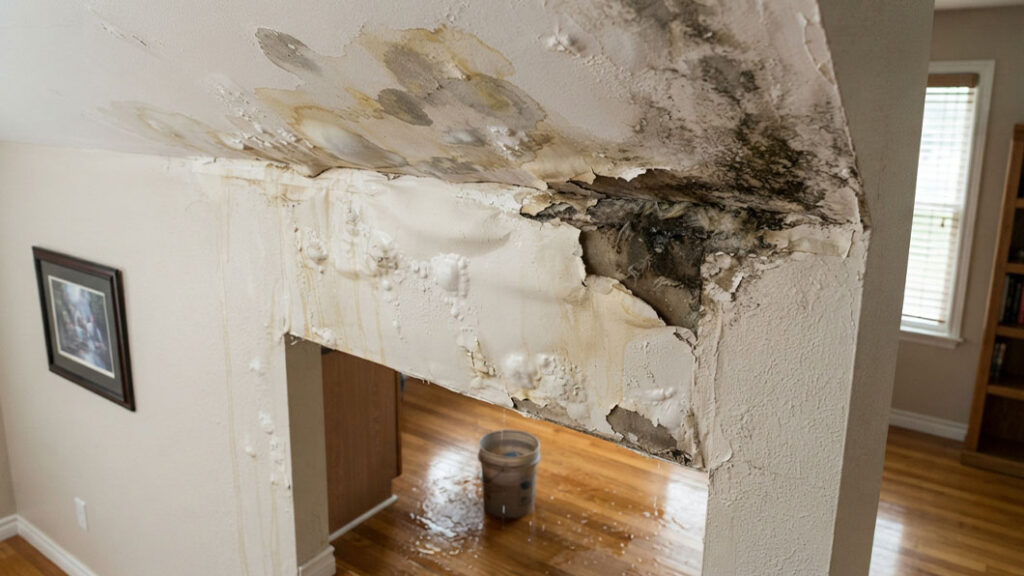
The winds have passed, the water has gone down, and your home is standing. For many Florida homeowners, that is when a quieter problem begins. Mold after a hurricane can start growing within a day or two, and it often spreads where you cannot see it: inside walls, under floors, and above ceilings.
The good news is that mold is manageable when you understand how it works and act quickly. You do not need to panic, but you do need a plan. This guide explains how fast mold grows, where it hides, how to protect your health, when you can clean it yourself, and when to call a licensed professional.
It was written for homeowners in Fort Walton Beach, Destin, Miramar Beach, Panama City Beach, and across the Florida Panhandle, where heat and humidity make mold a year-round concern and a serious one after a storm.
This article offers general information. It is not medical advice. If you or a family member has health symptoms, talk with your doctor.
Why Florida Homes Are So Vulnerable After a Hurricane
Mold needs only a few things to grow: moisture, something organic to feed on, and a comfortable temperature. After a hurricane, Florida homes often provide all three at once.
- Moisture. Floodwater, roof leaks, wind-driven rain, and high humidity soak into building materials.
- Food. Drywall paper, wood, carpet, insulation, ceiling tiles, and even dust give mold plenty to eat.
- Warmth. Florida’s warm climate is ideal for growth for much of the year.
Power outages make things worse. Without air conditioning, indoor humidity climbs quickly, and wet materials stay wet longer. That is why recovery is a race against moisture, not just a cleanup job.
How Fast Does Mold Grow After a Hurricane?
The U.S. Environmental Protection Agency notes that mold can begin to grow on damp materials within 24 to 48 hours. Here is a general timeline of what can happen, though conditions vary from home to home.
- First 24 hours. Materials absorb water, and mold spores already present in the air begin to settle on damp surfaces.
- 24 to 48 hours. Growth can begin on wet drywall, carpet, wood, and other porous items. You may not see anything yet, but you may notice a musty smell.
- Two to three days. Colonies can become visible as spots, fuzzy patches, or discoloration, especially in dark, humid places.
- One week or more. If materials stay wet, mold can spread widely, damage materials, and become much harder and costlier to remove.
This is why the first two days matter so much. Our guide on what to do in the first 48 hours after hurricane flooding covers the safety and drying steps that help prevent mold before it starts.
Where Mold Hides in Your Home
El moho visible es solo una parte del problema. Después de un huracán, revisa estos lugares comunes donde suele esconderse:
- Detrás y dentro del panel de yeso húmedo
- Debajo de la alfombra, el acolchado y el piso.
- Dentro de los armarios y debajo de los fregaderos
- En los áticos, especialmente cerca de las goteras del techo.
- Alrededor de los marcos de ventanas y puertas.
- Dentro de los armarios, donde el aire no circula bien.
- En y alrededor de su sistema de aire acondicionado y conductos
- Detrás de los muebles arrinconados contra las paredes exteriores.
Si su casa sufrió una gotera en el techo o una filtración de agua de lluvia durante una tormenta, no olvide el aislamiento de los techos y el ático. La humedad suele propagarse a gran distancia del punto de entrada original.
Signos de moho después de los daños causados por la tormenta
El moho puede tener un aspecto diferente según el material y el tipo. El color por sí solo no indica su gravedad. Presta atención a estas señales:
- Un olor a humedad y tierra, incluso si no puedes ver nada.
- Manchas o parches de color verde, gris, blanco, marrón o negro.
- Manchas o decoloración en paredes, techos o suelos.
- Pintura que burbujea, se descascara o se agrieta.
- Paneles de yeso o pisos deformados, blandos o hinchados.
- Condensación visible humedad o persistente
- Síntomas nuevos o que empeoran, similares a los de una alergia, en interiores.
Es posible que hayas oído hablar del “moho negro”. Los Centros para el Control y la Prevención de Enfermedades explican que el color del moho no indica su peligrosidad, y que cualquier moho que crezca en interiores debe ser tratado.
Health Concerns: Who Should Be Extra Careful
Mold affects people differently. Many people notice little, while others react more strongly. Common symptoms include a stuffy nose, coughing, wheezing, itchy eyes, and skin irritation.
Those who may be more sensitive include:
- People with asthma or other lung conditions
- Anyone with allergies
- People with weakened immune systems
- Young children and older adults
If anyone in your household has these concerns, keep them away from affected areas during cleanup, and consider staying elsewhere if the damage is significant. If symptoms develop or worsen, contact your doctor.
Protect Yourself First
Before you touch anything moldy or water damaged, put on protective gear. At a minimum, wear:
- An N95 respirator, which filters tiny particles (regular dust masks are not enough)
- Rubber or nitrile gloves
- Goggles without ventilation holes
- Long sleeves, long pants, and waterproof boots
Also keep these rules in mind:
- Open windows and doors for ventilation while you work, if outdoor conditions allow.
- Keep children, pets, and vulnerable family members out of the area.
- Never mix bleach with ammonia or other cleaners, because the combination can create dangerous fumes.
- If you suspect your air conditioning system is contaminated, do not run it until it has been inspected.
Stopping Mold Before It Starts
The most effective mold plan is to get materials dry quickly. In the first 48 hours:
- Stop any ongoing water source, and remove standing water when it is safe.
- Move wet items out of the home, including rugs, cushions, and soaked belongings.
- Run fans and dehumidifiers if your power is safe, and use your air conditioning when it is working properly.
- Remove wet materials that cannot be dried, such as saturated carpet padding and soaked insulation.
- Document everything with photos and video before you discard anything.
For guidance on documentation, read our article on how to document hurricane damage for your insurance claim.
Small Problem or Big Problem? The 10-Square-Foot Rule
¿Se puede salvar un panel de yeso dañado por el agua?
A common guideline from the EPA is that small mold problems, generally less than about 10 square feet (roughly a 3-foot by 3-foot area), can often be handled by homeowners. Larger areas typically call for professional help.
Call a licensed professional when:
- The mold covers more than about 10 square feet
- The mold was caused by floodwater, sewage, or other contaminated water
- You suspect mold in your air conditioning system or ductwork
- Mold appears in several rooms or keeps returning
- You smell mold but cannot find the source
- Someone in the household has health concerns
In Florida, mold assessment and remediation are regulated services, so it is wise to hire licensed specialists and verify credentials at MyFloridaLicense.com. State rules also generally separate the assessor who evaluates the problem from the company that performs the remediation, which helps keep the process objective. Ask any provider to explain how this works.
How to Clean Small Areas of Mold Safely
If you have a small area of mold on a hard, non-porous surface such as tile, glass, or sealed wood, you can often clean it yourself:
- Put on your protective gear and ventilate the area.
- Mix detergent with water, and scrub the surface with a stiff brush or cloth.
- Rinse with clean water and dry the area completely.
- Bag any used cloths or sponges and dispose of them.
- Monitor the spot over the next several days to make sure the mold does not return.
Bleach is not required for most routine cleaning, and it does not solve a moisture problem. If mold returns, there is likely still dampness behind the surface.
What Must Be Removed Instead of Cleaned
Mold can grow into porous materials, and surface cleaning will not remove it. In most cases, these items should be removed and discarded:
- Moldy drywall and ceiling tiles
- Wet or moldy carpet and padding
- Insulation that has been saturated
- Mattresses, upholstered furniture, and other soft goods that stayed wet
- Moldy particleboard cabinets or trim
Photograph these items first for your records. Our guide to water damaged drywall and flooring explains which materials can be saved and which cannot.
Should You Test for Mold?
Many homeowners wonder whether they need mold testing. The CDC does not generally recommend routine sampling, because if you can see or smell mold, you already know you have a problem and should address the moisture. Testing can sometimes help in specific situations, such as when mold is suspected but hidden, or when an insurer or buyer requires documentation.
If you decide to test, use a licensed mold assessor. They can measure moisture, identify the extent of growth, and recommend a remediation plan. That written plan is also helpful for insurance and for the contractor who will rebuild.
Insurance and Mold: What to Know
Mold coverage varies widely, and many policies limit or exclude it. Coverage may depend on the source of the moisture, whether it resulted from a covered event, and how quickly you acted to prevent further damage.
To protect yourself:
- Read your policy, or call your agent to ask how mold is handled.
- Report mold promptly, along with the original storm damage.
- Photograph and video the affected areas before cleanup.
- Keep receipts for drying equipment, testing, remediation, and temporary housing.
- Keep copies of assessments, estimates, and clearance reports.
Do not assume anything is or is not covered. Confirm in writing whenever you can
Rebuilding After Mold Remediation
Once a licensed professional has removed the mold and the area is verified dry, rebuilding can begin. This is where many homeowners feel relief, because they can finally see the home come back together.
A few important points:
- Never paint over mold. Painting does not kill it, and the mold will keep growing beneath the surface.
- Confirm everything is dry first. Walls, subfloors, and framing should be tested with moisture meters before they are closed up or covered.
- Consider moisture-resistant materials. Mold-resistant drywall, primers, and paints can help reduce risk in kitchens, bathrooms, laundry rooms, and other humid areas. They help, but they are not a substitute for controlling moisture.
- Choose flooring that suits Florida. Tile, vinyl plank, and other moisture-tolerant options often perform well in humid climates.
How to Prevent Mold From Coming Back
Preventing a repeat problem comes down to controlling moisture over the long term.
- Keep indoor humidity below 60 percent, and ideally between 30 and 50 percent. An inexpensive hygrometer can help you monitor it.
- Run your air conditioning regularly, and use dehumidifiers in damp areas.
- Fix roof and plumbing leaks promptly.
- Use bathroom and kitchen exhaust fans, and vent dryers outdoors.
- Clean gutters and make sure water drains away from your foundation.
- Dry spills and wet items within 24 to 48 hours.
- Replace air conditioning filters regularly and schedule routine system maintenance.
After a major storm, it is also smart to re-check problem areas after a few weeks. Hidden moisture sometimes shows up later as a smell or a stain.
Common Mistakes to Avoid
- Waiting to see if it goes away. Mold does not disappear on its own while moisture remains.
- Painting or caulking over it. This hides the problem and lets it grow.
- Mixing cleaning products. Some combinations release hazardous gases.
- Skipping protective gear. Disturbing mold can release spores into the air.
- Running contaminated air conditioning. This can spread spores through the house.
- Cleaning before documenting. You may lose evidence you need for insurance.
- Hiring unlicensed help. After storms, scams are common. Verify licenses and get written estimates.
How Pros Rem Can Help
Pros Rem is a Fort Walton Beach remodeling company serving Destin, Miramar Beach, Panama City Beach, and surrounding communities. We do not replace licensed mold assessors or remediators, and we will always tell you when your situation calls for one. Once the mold has been properly addressed and the structure is dry, we handle the rebuilding: demolition and cleanup, drywall repair and replacement, flooring installation, and painting.
We also use AI-powered visual previews, so you can see your repaired rooms, your new floors, and your paint colors before work begins. After a stressful recovery, that clarity helps many homeowners move forward with confidence.
If you are ready to start planning your repairs, contact Pros Rem for a free estimate. You can also explore our drywall services, flooring services, and professional painting services.
Frequently Asked Questions
How fast does mold grow after a hurricane? Mold can begin growing within 24 to 48 hours on damp materials, according to the EPA. It may become visible within a few days if the moisture is not removed.
Is mold after a hurricane dangerous? It can be, especially for people with asthma, allergies, or weakened immune systems. Even for healthy adults, mold can cause irritation and damages building materials, so it should be addressed promptly.
Can I clean mold myself? Small areas on hard surfaces can often be cleaned with detergent and water while wearing protective gear. Larger areas, mold caused by floodwater, or mold in your air conditioning system call for a licensed professional.
Does homeowners insurance cover mold? It depends on your policy and the cause of the moisture. Many policies have limits or exclusions, so review your coverage and ask your insurer before work begins.
How do I know if mold is hiding in my walls? A persistent musty smell, stains that return, bubbling paint, and soft or warped drywall are common clues. A licensed assessor can use moisture meters and other tools to find hidden growth.
Can I paint over mold? No. Painting over mold does not remove it, and growth will continue underneath. The moldy material must be properly removed and the area dried first.
Final Thoughts
Mold after a hurricane is common, but it is not inevitable. Dry quickly, protect your health, document the damage, and bring in licensed professionals when the problem is larger than a small patch. Then rebuild with care, using materials and habits that keep moisture under control.
If you are ready to restore your home after storm damage, our team at Pros Rem is here to help you every step of the way.
