

Interior vs. Exterior Painting: What Florida Homeowners Should Know
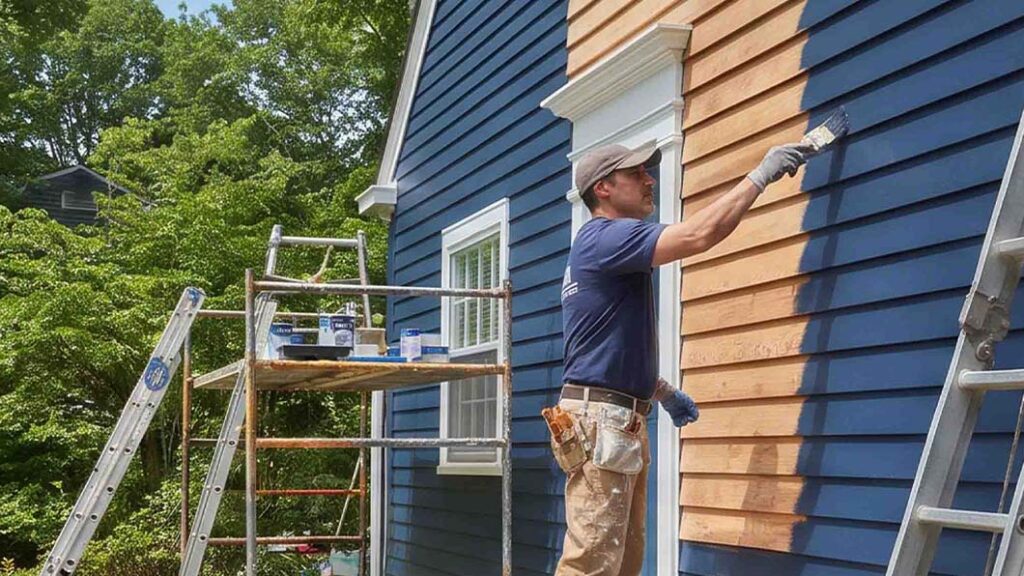
When it is time to refresh your home, one of the first questions is where to start. Should you repaint the inside, where you spend your days, or the outside, where the sun, salt, and humidity are constantly at work? For many Florida homeowners, the answer is not obvious, and the two jobs are more different than they look.
The debate over interior vs. exterior painting is not really about which one is better. It is about understanding what each job involves, how Florida’s climate affects both, and which one your home needs first. A fresh interior can lift your mood every day, while a sound exterior protects your biggest investment from the weather.
This guide compares the two side by side, covering purpose, products, preparation, timing, cost factors, and lifespan. It was written for homeowners in Fort Walton Beach, Destin, Miramar Beach, Panama City Beach, and across the Florida Panhandle.
This article offers general guidance. Every home is different, so ask a qualified painter to evaluate your specific needs before you decide.
Interior vs. Exterior Painting at a Glance
Here is a quick comparison before we go into detail.
- Main purpose. Interior paint is mostly about appearance, comfort, and cleanability. Exterior paint is about protection first and appearance second.
- Main enemies. Inside, it is scuffs, stains, humidity, and daily wear. Outside, it is UV rays, rain, salt, mildew, and heat.
- Weather dependence. Interior work can usually proceed in almost any weather. Exterior work depends heavily on temperature, humidity, dew, and rain.
- Preparation. Interior prep focuses on patching, sanding, and protecting furnishings. Exterior prep often involves washing, scraping, caulking, repairs, and priming.
- Paint formulas. Interior paints stress washability and low odor. Exterior paints stress UV resistance, flexibility, and mildew resistance.
- Lifespan. Interior paint often lasts longer between refreshes, while exterior paint typically faces harsher conditions and needs attention sooner.
With that overview in mind, let us look at each difference more closely.
Purpose: Beauty and Comfort vs. Protection
Interior painting shapes how your home feels. Color changes the mood of a room, makes spaces seem larger or cozier, and can cover years of wear. It also covers practical needs, such as washable finishes in kitchens, bathrooms, and children’s rooms.
Exterior painting does all of that for the curb appeal of your home, but it also works as a protective barrier. A sound coat of paint helps shield siding, stucco, wood, and trim from moisture and sun. When paint fails, water can reach the materials underneath, and small problems can turn into costly repairs. That is why delaying exterior painting can be more expensive than delaying interior painting.
Paint Products: Why You Cannot Swap Them
Interior and exterior paints are formulated for very different jobs, and using the wrong one rarely ends well.
Interior paint is designed to be washable, durable against scuffs, and low in odor and volatile organic compounds (VOCs). It often comes in a wide range of finishes, from flat to semi-gloss. Moisture-resistant and mildew-resistant versions are available for bathrooms, laundry rooms, and other humid areas.
Exterior paint contains additives that resist UV damage, fading, chalking, and mildew, and it is formulated to stay flexible as surfaces expand and contract. High-quality 100 percent acrylic latex is a common choice for Florida homes. Our guide to the best exterior paint for Florida’s humidity and salt air explains what to look for.
Do not use exterior paint inside your home. Some exterior products release more fumes and are not designed for indoor air quality. And do not use interior paint outside, because it will not hold up to sun and rain.
Preparation: Where the Work Really Is
In both cases, preparation determines how long the paint lasts. But the work is different.
Interior prep
- Moving or covering furniture and protecting floors
- Cleaning walls and removing grease or dust
- Patching nail holes, dents, and cracks
- Sanding and smoothing repairs
- Caulking trim and gaps
- Priming stains, repairs, and dramatic color changes
- Taping edges, outlets, and fixtures
Exterior prep
- Pressure washing or hand-cleaning to remove dirt, chalk, mildew, and salt
- Treating mold and mildew
- Scraping and sanding peeling paint
- Repairing rotted wood and cracked stucco
- Caulking around windows, doors, and trim
- Treating rust on metal
- Priming bare or patched areas
- Protecting landscaping, windows, and fixtures
Exterior prep is usually more extensive, because outdoor surfaces face constant exposure. If you are painting stucco, our step-by-step guide on how to paint stucco walls the right way walks through the process.
Weather and Timing in Florida
This is one of the biggest practical differences.
Interior painting is much less dependent on the weather, which makes scheduling easier. Still, Florida’s humidity matters. Paint dries more slowly in damp air, and walls need to be completely dry before painting. Running your air conditioning and, if necessary, a dehumidifier helps paint cure properly and prevents mildew from forming on fresh coats.
Exterior painting depends on conditions. Painters generally avoid:
- Rain or the threat of rain soon after application
- Morning dew on surfaces
- Direct, intense sun on hot walls
- Temperature and humidity outside the range on the paint label
- Windy conditions that blow dust into wet paint
Hurricane season, which runs from June through November, adds another layer of planning. Many homeowners find that spring and fall offer more comfortable conditions for exterior work, although an experienced painter can work year-round by managing the conditions.
Cost Factors: What Drives the Price
Prices vary widely, so this article does not promise specific numbers. Instead, it helps to understand what influences each type of job.
Interior costs are driven by:
- The number and size of rooms
- Ceiling height
- Whether ceilings, trim, doors, and closets are included
- The condition of the walls and amount of repair needed
- Paint quality and number of coats
- Furniture moving and protection
Exterior costs are driven by:
- The size and number of stories of the house
- The surface type (stucco, wood, fiber cement, brick, metal)
- The condition of the existing paint and any repairs
- Amount of prep, such as pressure washing and caulking
- Access and height, including ladders or scaffolding
- Paint quality and number of coats
- Trim, soffits, fascia, doors, and garage
Because exterior projects often involve more surface area, more prep, and more equipment, they can cost more in total than painting a few rooms, though the comparison depends entirely on the scope. For more detail on pricing, see our interior painting cost guide for Florida, which also explains how to compare quotes.
How Long Does Each Last?
There is no fixed answer, because quality, preparation, sun exposure, and household habits all matter.
- Interior paint can look good for many years in low-traffic rooms. Kitchens, hallways, bathrooms, and children’s rooms usually wear sooner and may need a refresh more often.
- Exterior paint in Florida often lasts roughly five to ten years when well prepared and made with quality products, though homes near the coast or with strong sun exposure may need attention sooner.
The real signal is the condition of the paint, not the calendar. Look for peeling, fading, cracking, and recurring mildew outside, and for scuffs, stains, and dated colors inside.
Safety and Health Considerations
Both types of painting carry risks, but they are different.
- Ladders and heights. Exterior work, especially on two-story homes, creates fall risks. Many homeowners choose professionals for this reason.
- Fumes and ventilation. For interior painting, choose low-VOC products and ventilate rooms well, especially for children, pets, and anyone sensitive to odors.
- Lead and older materials. If your home was built before 1978, the paint may contain lead. Scraping and sanding can release dangerous dust, so testing and safe practices are important.
- Moisture and mold. Never paint over mold, stains, or damp surfaces, inside or out. The problem has to be fixed first. Our guide on mold after a hurricane explains what to do.
Which Should You Paint First?
If your budget or schedule only allows one, these guidelines can help.
Start with the exterior if:
- Paint is peeling, cracking, or chalking
- Caulk has failed around windows and doors
- Mildew or algae keeps returning
- Wood trim, soffits, or fascia are exposed or rotting
- Stucco has hairline cracks that are letting in water
- You want to protect the home before another storm season
In these cases, the paint is doing a protective job, and delay can lead to damage that costs far more to repair.
Start with the interior if:
- Your walls are scuffed, stained, or dated
- You are preparing to sell and want a fresh, neutral look
- You are about to install new flooring or finish a remodel (paint last, after dusty and heavy work)
- The exterior is still in good shape
Plan carefully when doing repairs and painting together. After water damage, dry out and repair first, then paint last. Our article on rebuilding after a hurricane explains the right order, and our guide to water damaged drywall and flooring helps you decide what can be saved.
Can You Do Both at Once?
Painting inside and outside during the same project has real advantages:
- One mobilization. A single crew can plan, schedule, and coordinate everything.
- Consistent color planning. Your interior and exterior colors can work together.
- Possible savings. Contractors may be able to work more efficiently when they handle everything in one visit, though pricing varies.
- Less disruption. You deal with one project window instead of two.
On the other hand, doing both at once is a larger financial commitment. If cash flow is a concern, phasing the work, with the exterior first and the interior next, is a perfectly reasonable plan.
Plan Your Colors Before You Commit
Color looks different inside and out. Natural light changes throughout the day, stucco and siding textures create shadows, and indoor lighting varies from room to room. A small sample rarely tells the whole story.
Pros Rem uses AI-powered visual previews to help. Starting from photos of your own home, we can show you how different colors will look on your walls, trim, and doors, before any paint goes on. You can compare interior and exterior palettes side by side and approve the look with confidence. For exterior colors, check your homeowners association rules first, since many communities require approval.
Common Mistakes to Avoid
- Choosing paint by price alone. Cheap paint often needs more coats and more frequent repainting.
- Using the wrong product. Interior paint outside, or exterior paint inside, will disappoint.
- Skipping prep. Poor preparation is the leading cause of peeling and failure.
- Painting over moisture. Damp walls, stains, and mold must be fixed first.
- Ignoring the weather. Exterior paint applied in rain or dew can fail early.
- Painting before repairs. Finish drywall, flooring, and repair work before you paint.
- Hiring on a verbal quote. Always get a written estimate that spells out the scope, products, and timeline.
Hiring a Painter in Florida
Tanto si va a pintar el interior, el exterior o ambos, tómese su tiempo para comparar cuidadosamente los presupuestos.
- Solicite presupuestos por escrito que detallen la preparación, los productos, el número de capas y el cronograma.
- Pregunte por la marca y la línea de productos específicas .
- Solicite comprobante de seguro de responsabilidad civil y cobertura de compensación laboral o una exención válida. Los requisitos varían, así que verifique la normativa local.
- Pregunte sobre las garantías de materiales y mano de obra.
- Consulta las referencias y reseñas locales.
- Desconfía de las ofertas inusualmente bajas, los grandes depósitos iniciales y la presión para firmar de inmediato.
How Pros Rem Can Help
Pros Rem is a Fort Walton Beach remodeling company serving Destin, Miramar Beach, Panama City Beach, and surrounding communities. Our team handles interior and exterior painting, along with the repair work that often goes with it, including drywall, flooring, and trim. We provide clear written estimates, so you know exactly what is included before work begins.
If you are deciding where to start, contact Pros Rem for a free estimate, and we will help you decide what your home needs first. You can also learn more about our professional painting services.
Frequently Asked Questions
Is interior or exterior painting more expensive? It depends on the scope. Exterior projects often involve more surface area, preparation, and equipment, but a full interior repaint of a large home can also cost a great deal. Compare written estimates for the same scope.
Should I paint the inside or outside of my house first? If the exterior shows peeling, cracking, or mildew, start there, because the paint is protecting your home. If the exterior is sound and the interior looks tired, start inside.
Can I use exterior paint inside my home? No. Exterior paint is not designed for indoor air quality and can release stronger fumes. Use products labeled for interior use.
Does humidity affect interior painting? Yes. High humidity slows drying and can cause problems. Keep your air conditioning running and make sure walls are completely dry before painting.
How often should I repaint in Florida? Exterior paint often needs attention every five to ten years, while interior paint depends on the room and your household. Watch the condition of the paint, not just the calendar.
Do I need a permit to repaint my house? Repainting usually does not require a permit, but homeowners association rules and local requirements can apply, especially for exterior colors. Check with your HOA and local office if you are unsure.
Final Thoughts
The choice between interior and exterior painting comes down to what your home needs most right now. If the outside is showing signs of wear, protect it first. If the outside is sound and the inside feels tired, start with the rooms you use every day. Either way, use the right products, invest in preparation, and choose a licensed, insured team with local experience.
When you are ready to get started, our team at Pros Rem is here to help you every step of the way.
