

Interior vs. Exterior Painting: What Florida Homeowners Should Know
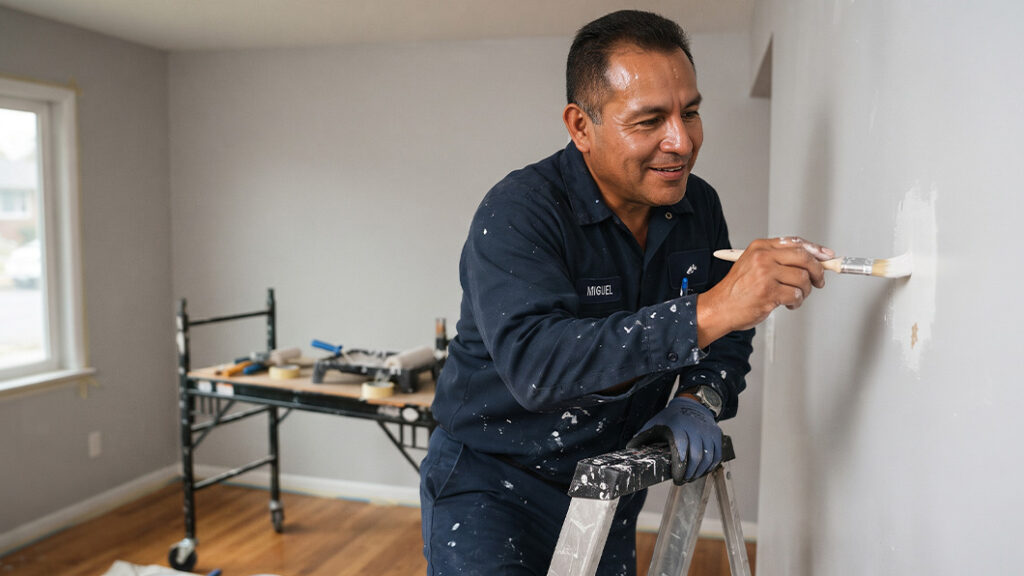
Paint does not last forever, and in Florida it does not last as long as many homeowners expect. The sun is strong, the air is humid, storms are frequent, and along the Gulf Coast, salt is always in the air. All of that takes a toll on your walls, trim, and doors.
So how often should you repaint your home in Florida? The honest answer is that it depends on where the paint is, what it is applied to, how well it was prepared, and how your home is exposed to the weather. A bedroom wall and a south-facing front door live in completely different worlds.
This guide gives you realistic timelines for the interior and exterior of your home, the warning signs to watch for, and simple ways to make your paint last longer. It was written for homeowners in Fort Walton Beach, Destin, Miramar Beach, Panama City Beach, and across the Florida Panhandle.
The timelines in this article are general estimates, not guarantees. Every home is different, so ask a qualified painter to evaluate the condition of your paint.
The Short Answer
Here is a quick overview, with details to follow:
- Exterior paint: often every five to ten years in Florida, and sooner on homes with heavy sun, salt air, or poor preparation
- Interior walls: commonly every five to ten years, depending on the room and how it is used
- High-traffic and high-moisture rooms: kitchens, bathrooms, hallways, and children’s rooms may need attention every few years
- Trim and doors: often more often than walls, especially exterior doors that face the sun
In other words, treat the calendar as a rough guide and the condition of the paint as the real answer.
How Often to Repaint the Exterior of Your Florida Home
The exterior is where paint works hardest. It is the barrier between your home and the weather, and it faces ultraviolet (UV) rays, rain, humidity, mildew, and salt every day.
A well-prepared exterior paint job using quality products often lasts roughly five to ten years in humid, sunny climates. Several factors can move you toward the shorter end of that range:
- Distance from the coast. Homes near the Gulf or the bay face more salt.
- Sun exposure. South- and west-facing walls often fade and wear faster.
- Dark colors. They absorb more heat and tend to fade faster than lighter shades.
- Poor preparation. Painting over dirt, mildew, or peeling paint shortens the life of any product.
- Low-quality paint. Cheaper products generally have fewer protective additives.
- Shade and poor airflow. Damp, shaded areas are prone to mildew and algae.
Timeline by exterior surface
- Stucco: commonly in the five to ten year range, depending on the coating and any cracking. Elastomeric coatings may last differently, so follow the manufacturer’s guidance. Our guide to painting stucco the right way explains how to prepare it.
- Wood siding, soffits, and fascia: often on the shorter end, because wood absorbs moisture and needs more upkeep.
- Fiber cement and composite siding: typically hold paint well, and may last toward the longer end with good preparation.
- Trim and shutters: often need attention sooner than the main walls, since they get direct sun and rain.
- Front and garage doors: may need repainting more often, especially if they face the sun.
- Metal railings, gutters, and fixtures: salt air can accelerate rust, so inspect and touch up regularly.
For help choosing products, see our guide to the best exterior paint for Florida’s humidity and salt air.
How Often to Repaint the Interior
Interior paint is protected from the weather, so it generally lasts longer. Still, daily life and Florida’s humidity take their own toll.
- Low-traffic rooms. Formal living rooms, guest bedrooms, and similar spaces can often go roughly seven to ten years or more without a refresh if they are in good condition.
- Main living areas and bedrooms. Many homeowners repaint every five to ten years, or when they want a change.
- Kitchens. Grease, steam, and frequent cleaning can wear paint down faster, so a refresh every few years may be needed.
- Bathrooms. Humidity and steam cause peeling and mildew, so these rooms often need repainting more often, particularly without good ventilation.
- Hallways, entryways, and stairwells. Scuffs and handprints accumulate quickly in these high-traffic areas.
- Children’s rooms and playrooms. Expect more marks, scrapes, and cleaning, which can shorten the life of the finish.
- Ceilings. These usually last longer than walls unless they have stains from leaks or moisture.
- Trim and doors. Semi-gloss finishes on trim hold up well but can chip and yellow over time.
If you want an idea of what an interior project involves, our interior painting cost guide for Florida explains the factors that affect pricing.
What Shortens the Life of Paint in Florida
It helps to understand what is working against your paint, both inside and out.
- UV radiation. Strong sunlight breaks down paint binders and fades color, leading to chalking and dullness.
- Humidity and moisture. Damp conditions encourage mildew, blistering, and peeling, especially in poorly ventilated spaces.
- Salt air. Salt can weaken adhesion and speed up corrosion on metal.
- Heavy rain and storms. Wind-driven rain pushes water into cracks, gaps, and failed caulk.
- Heat. High temperatures stress paint films, which expand and contract throughout the day.
- Leaks and water damage. Moisture from roofs, plumbing, and windows causes stains, bubbling, and mold.
- Poor preparation. This is the single biggest cause of early failure, according to most painting professionals.
- Cheap products. Lower-quality paint may need more coats and wear out sooner.
Signs It Is Time to Repaint the Exterior
Inspect your home at least once a year, and again after storm season. Look for:
- Peeling, flaking, or bubbling paint. Moisture is getting under the film.
- Cracking or alligatoring. A pattern of fine cracks suggests the paint has lost flexibility.
- Chalking. Rub your hand across the wall. If a powdery residue comes off, the paint is breaking down.
- Fading or uneven color. Especially on sun-exposed sides of the house.
- Mildew or algae. If dark or green growth returns soon after cleaning, the coating may no longer be protecting the surface.
- Cracked or missing caulk. Gaps around windows, doors, and trim let water in.
- Bare or exposed wood and stucco. These areas are vulnerable to moisture.
- Rust stains or streaks. Metal fixtures may be corroding.
- Soft or rotted wood. Repairs are needed before any paint is applied.
The earlier you catch these signs, the simpler and less costly the repaint is likely to be.
Signs It Is Time to Repaint the Interior
Inside, the signals are a bit different:
- Scuffs, marks, and stains that no longer wash off
- Fading, dullness, or yellowing, especially on white walls and trim
- Peeling or flaking in bathrooms and kitchens
- Visible patches or nail holes from past repairs
- Mildew spots in corners, closets, and bathrooms
- Water stains or bubbling on ceilings and walls
- A dated or tired color that no longer suits the room
A note of caution: stains, bubbling, and mildew are not just cosmetic. They can signal a leak or a moisture problem, and painting over them without fixing the source will not last. Our guide on mold after a hurricane explains what to do if you suspect mold, and our article on water damaged drywall and flooring helps you decide whether walls need repair before painting.
A Quick Paint Check You Can Do Yourself
You do not need special tools to get a good idea of your paint’s condition. Walk around your home with a notepad and try the following.
- Look at each side of the house in good daylight, starting with the sides that get the most sun.
- Run your hand over the walls. Chalky residue on your palm means the paint is deteriorating.
- Press gently on trim and wood. Soft or spongy areas suggest rot.
- Check the caulk around windows, doors, and trim for cracks or gaps.
- Inspect the soffits and fascia, which are often neglected.
- Look for hairline cracks in stucco, and note any stains or white deposits.
- Check metal for rust and flaking.
- Inside, check bathrooms, kitchens, and ceilings for stains, bubbling, or mildew.
- Take photos and notes, so you can compare from year to year or share them with a painter.
If you find many of these signs, it is time to get an estimate.
The Cost of Waiting Too Long
It is tempting to postpone repainting, but waiting too long can cost more.
- Failing paint stops protecting. Once the film breaks down, water can reach siding, stucco, and wood.
- Repairs add up. Rotted trim, damaged stucco, and wet drywall are far more expensive than a repaint.
- Prep gets heavier. The more paint has failed, the more scraping, sanding, and priming is needed.
- Curb appeal and resale suffer. Worn paint can lower buyers’ impressions and give inspectors something to flag.
On the other hand, repainting too early is rarely necessary. If your paint is sound, clean, and protecting your home, a good wash and a few touch-ups may be all you need.
Special Situations That Call for Repainting Sooner
Some events should move up your timeline:
- After a hurricane or major storm. Wind-driven rain can open cracks, damage caulk, and drive water into walls. Inspect everything, and repaint only once surfaces are completely dry and repairs are done. Our guide to rebuilding after a hurricane explains the right order.
- After water damage. Dry out and repair first, then paint last.
- Before selling your home. Fresh, neutral paint can improve first impressions and help the home show well.
- After a remodel. New drywall, flooring, or trim should be finished with fresh paint.
- For rental and vacation homes. Frequent turnover and use can mean more wear, so plan on a shorter cycle.
- When you change flooring or furnishings. A new look can make old colors feel out of place.
How to Make Your Paint Last Longer
A few habits can add years to your paint job.
- Wash your home gently once or twice a year to remove salt, dirt, pollen, and mildew.
- Fix problems early. Seal cracked caulk, repair small cracks, and treat rust before they spread.
- Touch up chips and scrapes before moisture gets in.
- Keep sprinklers away from walls. Constant spray encourages mildew and peeling.
- Trim plants and trees that touch the house or block airflow.
- Ventilate bathrooms and kitchens with exhaust fans, and run your air conditioning to control humidity.
- Use quality products and insist on proper preparation.
- Choose colors wisely. Lighter colors tend to fade less in strong sun.
Invest in Quality and Preparation
If you want a paint job that lasts, the best investment is in preparation and a quality product. Professionals often say that most early failures trace back to poor prep, not bad luck. Proper cleaning, repairs, priming, and the right paint for each surface make a visible difference in how long a finish holds up in Florida’s climate.
When you review estimates, ask for the prep steps, the specific brand and product line, the number of coats, and the warranty in writing.
Plan Your New Look Before You Paint
One reason people put off repainting is that choosing colors can feel stressful. Pros Rem uses AI-powered visual previews to take some of the guesswork out. Starting from photos of your own home, we can show you how different colors will look on your walls, trim, and doors, before any paint is applied. You can compare options and approve the look with confidence.
Hiring a Painter in Florida
When you are ready to get quotes, keep these points in mind:
- Ask for written estimates that list the scope, prep, products, and timeline.
- Request proof of liability insurance and workers’ compensation coverage or a valid exemption. Requirements vary, so check what applies locally.
- Ask about warranties on materials and workmanship.
- Check local references and reviews.
- Be cautious about unusually low bids, large upfront deposits, and pressure to sign right away.
How Pros Rem Can Help
Pros Rem is a Fort Walton Beach remodeling company serving Destin, Miramar Beach, Panama City Beach, and surrounding communities. Our team handles interior and exterior painting, along with the repair work that often comes with it, including drywall, flooring, and trim. We provide clear written estimates, so you know exactly what is included before work begins.
If you are not sure whether your home needs repainting, contact Pros Rem for a free estimate, and we will help you decide. You can also learn more about our professional painting services. If you are weighing the two projects, our guide to interior vs. exterior painting can help you decide where to start.
Frequently Asked Questions
How often should you repaint the exterior of a house in Florida? Many homes need attention roughly every five to ten years, depending on the paint, the preparation, the surface, and sun and salt exposure. Watch for peeling, chalking, fading, and returning mildew.
How often should you repaint the inside of your house? Often every five to ten years, though kitchens, bathrooms, hallways, and children’s rooms may need it sooner, and low-traffic rooms may last longer.
Does Florida’s climate make paint wear out faster? Yes. Strong UV, humidity, salt air, heavy rain, and heat all stress paint, which is why quality products and good preparation matter so much.
Is it better to repaint before the paint fails completely? Usually, yes. Catching problems early typically means less prep and lower repair costs, and it keeps water out of your walls.
Should I repaint after a hurricane? Only after you have inspected for damage, made repairs, and confirmed surfaces are completely dry. Painting over moisture or damage will cause the new paint to fail.
Do darker colors need to be repainted sooner? Often, yes. Dark colors absorb more heat and tend to fade faster in strong sun, so they may need attention sooner unless you use a premium UV-resistant paint.
Final Thoughts
There is no single schedule for repainting a Florida home, but there are clear signals. Watch for peeling, chalking, fading, cracked caulk, stains, and mildew, and inspect your home each year and after every storm season. Fix small problems early, invest in preparation and quality paint, and choose a licensed, insured team you trust.
When you are ready to refresh your home, our team at Pros Rem is here to help you every step of the way.
