

Aging in Place: Home Remodeling Ideas for Your Next 20 Years
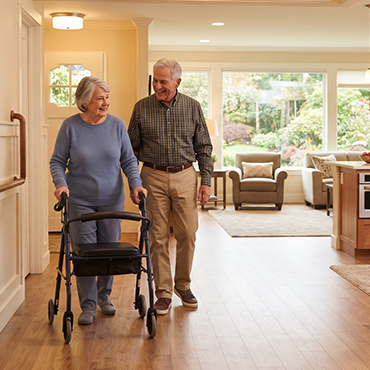
Most people say they want to stay in their own home as they get older. They want the familiar neighborhood, the garden, the kitchen where the family gathers. The idea has a name, aging in place, and it is one of the most important reasons people remodel in their forties, fifties, and sixties.
The challenge is that most homes were not designed for the long term. Steps at the front door, narrow hallways, slippery bathroom floors, and dim lighting are easy to ignore at 45, and much harder to live with at 70. The good news is that you do not have to wait for a problem to start planning. Smart remodeling choices today can keep your home safe, comfortable, and beautiful for the next twenty years and beyond.
This guide walks through practical aging in place home remodeling ideas, room by room, with a focus on Florida homes. It was written for homeowners in Fort Walton Beach, Destin, Miramar Beach, Panama City Beach, and across the Florida Panhandle.
What Aging in Place Really Means
Aging in place does not mean making your home look like a medical facility. It means adapting your house so you can live in it independently, safely, and comfortably as your needs change. That might involve small updates, such as better lighting, or larger projects, such as a curbless shower or a main-floor bedroom.
The design approach behind many of these ideas is called universal design. The goal is to create spaces that work well for people of all ages and abilities, so they feel natural and stylish today and still work if your needs change. A wider doorway helps a parent with a stroller, a guest with a walker, and you, years from now, with a bag of groceries.
Why Start Planning in Your Forties and Fifties
There are practical reasons to plan early:
- You can choose the timing. Planning ahead lets you spread projects over several years instead of making rushed decisions after an injury or a hospital stay.
- You can combine projects. If you are already remodeling a bathroom or replacing floors, adding accessibility features usually costs far less than redoing the work later.
- You can protect your investment. A home that works for all ages can be more appealing to future buyers, too.
- You can stay in control. Making the choices yourself, on your own schedule, is very different from reacting to a crisis.
A useful rule is to think about your home in terms of the next twenty years, not just the next two.
Start With an Honest Walkthrough
Before you plan any projects, walk through your home and look at it with fresh eyes. Imagine moving through each space with less strength, slower balance, or a mobility aid. Note anything that feels risky or inconvenient.
Ask yourself:
- Are there steps at the entrances, and are they well lit with sturdy handrails?
- Can you move easily through hallways and doorways?
- Is the bathroom floor slippery, and do you have to step over a tub edge or high shower curb?
- Do you have to bend, reach, or climb to use the kitchen?
- Are there rugs, thresholds, or uneven floors that could cause a trip?
- Is the lighting bright enough at night and on stairs?
- Could you live on one floor if you needed to?
- Would you be able to leave quickly in an emergency, such as a hurricane evacuation?
Write down what you find, then rank the items by safety first, comfort second, and style third.
Entrances and Exteriors
Falls often happen at the front door, so entrances deserve attention.
- A no-step or low-step entry. A zero-step entry, or a gently sloped walkway, makes it easier for everyone to get in, from delivery drivers to visitors.
- Sturdy handrails on any steps, installed at a comfortable height and well anchored.
- Good lighting. Bright, motion-activated lights at the front door, garage, and walkways help prevent falls after dark.
- A covered entry. In Florida’s sun and rain, a roof over the door keeps surfaces dry and makes it easier to find keys.
- Easy locks. Keypad or smart locks remove the need to fumble with keys.
- Even, slip-resistant surfaces. Repair cracked pavers and walkways, and choose textured finishes that stay safe when wet.
- A clear path from the driveway. Remove trip hazards, and consider a covered or closer parking area.
Doorways, Hallways, and Interior Transitions
Homes built decades ago often have narrow doors and halls. A few changes can make a big difference.
- Wider doorways. A clear opening of at least 32 inches is a common benchmark, and wider is more comfortable. Pocket doors and offset hinges can add width without major construction.
- Lever handles instead of round knobs, which are easier on arthritic hands.
- Smooth thresholds. Remove or lower raised door thresholds that can trip someone.
- Open sightlines and clear paths. Open layouts are easier to move through, and they can feel more spacious.
- Handrails or support points in long hallways, if needed later.
Structural changes, such as widening a doorway, can involve load-bearing walls, electrical, and permits, so have a licensed professional evaluate them.
Bathrooms: The Highest-Priority Room
Bathrooms are where many injuries happen, which is why they are often the first priority in an aging in place plan. They are also the rooms where updates make the most difference.
- A curbless, walk-in shower. Removing the step-over curb makes entry easy and safe, and it works for any future mobility aid.
- A built-in bench or fold-down seat for resting or sitting while showering.
- A handheld showerhead on a slide bar, so you can adjust height and sit if needed.
- Grab bars, installed securely into solid blocking behind the wall. Even if you do not want grab bars yet, adding reinforced blocking behind the walls during a remodel makes it simple to add them later.
- Slip-resistant flooring. Choose tile or flooring with a slip-resistant rating suited to wet areas, and ask your installer about the dynamic coefficient of friction (DCOF) rating. Smaller tiles and textured finishes can add traction.
- A comfort-height toilet, which sits a little higher and is easier to use.
- Bright, even lighting, with night lights for late-night visits.
- Lever faucets and thermostatic valves that help prevent scalding.
- A vanity designed for flexibility, such as one that allows seated use.
- Good ventilation, which also protects against humidity and mildew in Florida.
Bathroom remodels are a perfect opportunity to build in accessibility, because the walls and floors are already open.
Kitchens That Work for the Long Haul
The kitchen is the heart of the home, and it should stay easy to use.
- Pull-out shelves and deep drawers in lower cabinets reduce bending and reaching.
- Varied counter heights, with at least one lower area for sitting while prepping food.
- Easy-grip handles and pulls, which are easier than small knobs.
- Lever or touchless faucets.
- Smart cooktops and appliances with automatic shutoff and front-mounted controls.
- A wall oven at a comfortable height instead of a low-mounted range oven.
- Task lighting under cabinets and over work areas.
- Wide aisles and clear floor space, so you can move comfortably, even with a walker or wheelchair.
- Easy-to-reach storage for everyday items, with heavy cookware kept low and at waist level.
Contrasting colors between countertops, cabinets, and floors can also help people with reduced vision see edges more clearly.
Flooring: Safety, Comfort, and Florida Practicality
The right floor reduces falls and eases the strain on joints and feet. In Florida, it also has to handle humidity and heat.
- Slip-resistant surfaces in kitchens, bathrooms, entries, and laundry rooms
- Low-glare finishes, which are easier on the eyes
- Consistent levels between rooms, with smooth, low transitions
- Moisture-tolerant materials, such as tile or luxury vinyl plank, for humid, storm-prone homes
- Softer options in living areas, such as cork or cushioned vinyl, which are gentler on joints
- Fewer loose rugs, which are a common trip hazard. If you use them, secure them with non-slip backing
Our guide to water damaged drywall and flooring explains how different flooring types handle moisture, which is useful when choosing materials for a Florida home.
Stairs and Single-Level Living
Stairs are one of the biggest long-term challenges. If your home has more than one floor, consider these ideas:
- Handrails on both sides of every staircase, with a solid, graspable profile
- Bright, even lighting and light switches at the top and bottom
- Contrasting edges on stair treads to make steps easier to see
- A main-floor bedroom and bathroom suite, so you can live on one level if needed
- A first-floor laundry room to avoid carrying loads up and down
- Space for a future stair lift or elevator, such as a stacked closet design, if you are building or doing a major remodel
Even if you do not need these now, planning for them keeps your options open.
Lighting, Color, and Paint
As people age, they generally need more light to see well. Good lighting is one of the simplest and most affordable upgrades.
- Layer lighting with overhead, task, and accent lights.
- Add motion-sensor night lights in hallways, bathrooms, and stairs.
- Choose switches that are easy to reach and use, such as large rocker switches.
- Use light, matte or low-sheen wall colors to reduce glare and bounce light around the room.
- Add color contrast where it helps, such as darker trim against lighter walls, or a distinct color on door frames.
Fresh paint is also one of the quickest ways to make a home feel updated. For costs and planning, see our interior painting cost guide for Florida.
Smart Home and Safety Features
Technology can add convenience and peace of mind, especially if you live alone or have family far away.
- Smart thermostats that manage temperature and humidity
- Leak detectors near water heaters, sinks, and washing machines, which can catch small problems early
- Video doorbells and smart locks for visitors and deliveries
- Smoke and carbon monoxide alarms that are easy to hear and test
- Voice-controlled lighting and devices for hands-free use
- Medical alert systems that suit your needs
Choose systems you find easy to use. Technology should reduce stress, not add to it.
Planning for Florida Storms and Climate
Living in Florida adds a few special considerations.
- Hurricane readiness. Consider impact-resistant windows and doors, shutters that you can operate without difficulty, and a clear evacuation plan.
- Backup power. If you rely on medical equipment, ask professionals about generators or battery backup, and place them safely.
- Heat and humidity. An efficient, well-maintained air conditioning system and good ventilation protect both your health and your home.
- Moisture control. Water-tolerant materials and good drainage help prevent mold and damage. Our guide to rebuilding after a hurricane explains how to repair and strengthen a home after storm damage.
Build a Phased Plan
You do not have to do everything at once. A phased approach spreads out the cost and the disruption.
Phase 1: Quick, low-cost safety wins
- Add lighting and night lights
- Install lever handles and secure handrails
- Remove loose rugs and trip hazards
- Install leak detectors and update smoke alarms
Phase 2: Bathroom and kitchen upgrades
- Plan a curbless shower with blocking for grab bars
- Update flooring to slip-resistant, moisture-tolerant materials
- Improve kitchen storage and counter heights
Phase 3: Larger layout and structural changes
- Widen doorways and hallways
- Create a main-floor suite
- Add a ramp, lift, or no-step entry
- Plan for hurricane-resistant windows and doors
Whenever you open a wall or replace a floor, ask yourself what you can add at the same time to prepare for the future.
Paying for Aging in Place Projects
Costs vary widely, so get written estimates before you decide. A few points are worth exploring:
- Medicare generally does not cover most home modifications, so check your specific plan and programs.
- Veterans may qualify for assistance. The Department of Veterans Affairs has home-modification programs for eligible veterans, which may be relevant in a military community like Fort Walton Beach. Ask the VA about your eligibility.
- Local and state resources. Your Area Agency on Aging and the Florida Department of Elder Affairs can point you to programs and information.
- Tax considerations. Some medically necessary home improvements may have tax implications, so ask a qualified tax professional.
- Financing options. Home equity loans or lines of credit may be options. Review the terms carefully before you commit.
Hiring the Right Professionals
Aging in place remodeling is specialized, so choose carefully.
- Look for experience. Ask whether the contractor has done similar projects. The National Association of Home Builders offers a Certified Aging-in-Place Specialist credential, and you can ask whether the contractor holds it.
- Verify the license through the Florida Department of Business and Professional Regulation at MyFloridaLicense.com.
- Ask for proof of insurance, and confirm it in writing.
- Get written estimates that describe the scope, materials, and timeline.
- Check local references and reviews.
- Ask about permits. Many accessibility and structural changes need them.
- Check your HOA rules if you plan exterior changes, such as a ramp.
- Involve a professional such as an occupational therapist if you have specific health or mobility needs.
Common Mistakes to Avoid
- Waiting for a crisis. Rushed projects cost more and limit your choices.
- Designing for today only. Think about the next twenty years.
- Skipping the wall blocking. It is inexpensive during a remodel and difficult to add later.
- Choosing slippery flooring because it looks good.
- Ignoring lighting. It is one of the simplest and most effective safety upgrades.
- Hiring without checking credentials.
- Making your home feel clinical. Good design can be safe and beautiful.
See Your Updates Before You Build
Big changes, such as a new walk-in shower or a reconfigured kitchen, are easier to approve when you can picture them. Pros Rem uses AI-powered visual previews, starting from photos of your own rooms, to show you how different layouts, colors, and finishes could look in your actual home before any work begins. You can compare options, make adjustments, and move forward with confidence.
How Pros Rem Can Help
Pros Rem is a Fort Walton Beach remodeling company serving Destin, Miramar Beach, Panama City Beach, and surrounding communities. Our team handles bathroom and kitchen remodeling, flooring, tile, drywall, carpentry, and painting, all of which play a role in aging in place projects. We provide clear written estimates and a single point of contact from start to finish.
If you are thinking about making your home safer and more comfortable for the years ahead, contact Pros Rem for a free estimate. You can also learn more about our bathroom remodeling services, kitchen remodeling services, flooring services, and professional painting services.
Frequently Asked Questions
What is aging in place? Aging in place means staying in your own home independently, safely, and comfortably as you get older. It often involves remodeling to make the home easier and safer to use over time.
What is the most important room to remodel for aging in place? Many experts start with the bathroom, because falls are common there and the updates make a big difference. Entrances, lighting, and flooring are also high priorities.
At what age should I start planning? There is no set age. Many homeowners start in their forties and fifties, so they can phase projects over time and combine them with other remodeling.
Does aging in place remodeling make a home look institutional? Not if it is designed well. Universal design focuses on features that look stylish and work for everyone, such as curbless showers, wide doorways, and good lighting.
Does Medicare pay for home modifications? Medicare generally does not cover most home modifications. Check your plan, and ask about veterans’ programs, state and local resources, and other options.
Can I make these changes in phases? Yes. Starting with safety basics and bathrooms, then moving to larger changes, is a practical way to spread out cost and disruption.
Final Thoughts
Aging in place is about staying in the home you love, on your own terms. The best time to plan is before you need to, when you can choose your projects, your timing, and your style. Start with a walkthrough, prioritize safety, build in features that work for every stage of life, and choose licensed, experienced professionals.
When you are ready to turn your plans into a home that works for the next twenty years, our team at Pros Rem is here to help you every step of the way.
