

Bathroom Remodel Cost in Florida: What to Expect
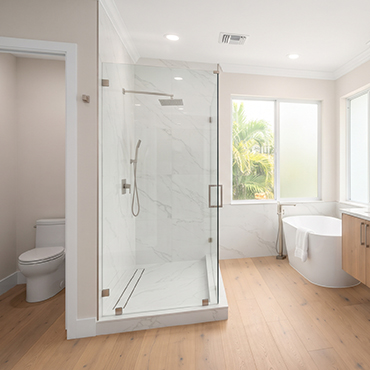
The bathroom is the room you use first thing in the morning and last thing at night. By your mid-forties, you have probably noticed what no longer works: a tub that is hard to step into, grout that never looks clean, a vanity that is too low or too small, poor lighting, or a fan that cannot keep up with Florida’s humidity. A remodel can fix all of that, but before you call anyone, you want to know what it is going to cost.
The bathroom remodel cost in Florida depends on the size of the room, the finishes you choose, whether plumbing moves, and what is hiding behind the walls. Published numbers range from a few thousand dollars for a light refresh to well over $70,000 for a luxury primary suite, which makes planning confusing.
This guide explains what Florida homeowners can realistically expect to spend in 2026, where the money goes, why Florida bathrooms are a special case, and how to keep your project on budget. By the end, you will know what questions to ask and what a fair estimate should look like.
How Much Does a Bathroom Remodel Cost in Florida?
Most published guides place a typical full bathroom remodel in Florida somewhere between $14,000 and $30,000, with smaller or simpler projects costing less and larger or luxury projects costing considerably more. Breaking it into tiers gives a clearer picture:
|
Remodel Tier |
Typical Florida Range |
What It Usually Includes |
|---|---|---|
|
Cosmetic refresh |
$4,000 – $10,000 |
New vanity, faucet, toilet, lighting, paint, mirror, updated hardware |
|
Mid-range remodel |
$12,000 – $30,000 |
New tile, tub or shower, vanity, flooring, fixtures, same layout |
|
High-end or luxury |
$35,000 – $75,000+ |
Layout changes, custom shower, freestanding tub, premium stone and fixtures |
These ranges are planning guides, not quotes. Pricing along the Emerald Coast and the Panhandle often differs from South Florida, where labor demand, condo rules and coastal requirements can push numbers higher. A small guest bath with simple finishes can come in under these ranges, while a large primary bath with custom tile can exceed them.
The number that matters most is not the state average. It is the cost for your bathroom, your goals and your level of finish, which is why an on-site visit is always more reliable than an online calculator.
Cost by Type of Bathroom
Not all bathrooms are equal. The type of room has a big effect on the price:
Powder room or half bath. With no tub or shower, these are the least expensive to update. A fresh vanity, toilet, lighting and a bold wall treatment can change the room completely.
Guest or hall bathroom. The most common project. A tub-shower combination, new tile, vanity and fixtures usually place it in the mid-range tier.
Primary (master) bathroom. Larger, with more fixtures and more opportunity for upgrades such as a double vanity, a walk-in shower, heated floors or a soaking tub. These projects sit at the higher end of the range.
Condo or vacation rental bathroom. Size is often modest, but building rules, working-hour restrictions and the need for durable, easy-to-clean materials influence both the budget and the schedule.
The Three Levels of Bathroom Remodeling
1. Cosmetic Refresh
If your layout works and the tub, shower and plumbing are in good condition, a refresh gives you a big visual change at a modest cost. You replace the vanity, faucet, toilet, mirror, lighting and hardware, repaint, and perhaps update the flooring. It is a great choice for a secondary bathroom or a home you plan to sell.
2. Mid-Range Remodel
This is where most Florida homeowners land. The bathroom is demolished down to the framing, waterproofing is renewed, new tile is installed on the floor and in the shower, and every fixture is replaced. Because the layout stays the same, you avoid the most expensive plumbing changes while getting a bathroom that feels brand new.
3. High-End or Luxury Renovation
This tier involves moving walls or fixtures, converting a tub to a large walk-in shower, adding a freestanding tub, installing frameless glass, custom cabinetry, natural stone, a high-end fixture package or a custom niche and bench. It delivers the biggest change in comfort and appearance, along with the highest price.
Where Your Money Actually Goes
Understanding the breakdown helps you decide where to invest and where to save. On a typical full remodel, the budget divides roughly like this:
|
Category |
Approximate Share of Budget |
|---|---|
|
Labor and installation |
35% – 50% |
|
Tile, flooring and waterproofing |
15% – 25% |
|
Vanity, countertop and storage |
10% – 15% |
|
Shower, tub and glass |
10% – 20% |
|
Plumbing fixtures |
5% – 10% |
|
Electrical, lighting and ventilation |
3% – 7% |
|
Permits, disposal and contingency |
5% – 10% |
The percentages overlap depending on the project, but one point holds true almost everywhere: labor is usually the largest line item. Bathrooms pack plumbing, tile, electrical, ventilation and waterproofing into a very small space, so the work is detailed and requires several skills. A bathroom may look small, but it is one of the most labor-intensive rooms in the house.
Material choices swing the total more than anything else. The same shower can cost very little with basic ceramic tile or several times more with large-format porcelain or natural stone. Frameless glass enclosures, rain shower systems and designer fixtures add up quickly, so it helps to decide your priorities early.
Why Bathroom Remodeling in Florida Is Different
A bathroom in Florida works under conditions that a bathroom in a dry climate never faces. These factors shape both materials and budget.
Humidity and mold. Indoor humidity in Florida homes often runs high, and bathrooms are the wettest rooms in the house. Moisture-resistant materials, quality waterproofing membranes, mildew-resistant paint and properly sized exhaust fans are not optional upgrades. They are the difference between a bathroom that lasts and one that develops mold behind the walls within a few years.
Waterproofing is the foundation. A beautiful shower is only as good as what is behind the tile. Proper slope, membranes and sealed corners prevent leaks that can damage subfloors and neighboring rooms. Cutting corners here is the most expensive mistake a homeowner can make.
Older homes and hidden damage. Many Florida homes have galvanized or aging pipes, outdated wiring or soft subfloors from past leaks. Once the walls and floor are opened, these issues often appear and must be corrected before new finishes go in. Experienced contractors recommend setting aside a contingency of 10% to 20% for exactly this reason.
Condos and HOAs. If you live in a condo or an HOA community, you may need approval before work begins and must follow rules about hours, noise, elevators, floor underlayment and contractor insurance. Vacation rental owners also need durable materials that handle heavy turnover.
Coastal air and storms. Salt air can be hard on metal finishes, so corrosion-resistant fixtures and hardware are a smart choice near the water. Storm season can also affect scheduling and material delivery.
Hidden Costs Homeowners Often Forget
The tile and vanity get all the attention, but surprises usually come from items missing from the first estimate. Ask about each of these:
- Demolition and disposal. Removing the old tub, tile and debris takes labor and dumpster fees.
- Plumbing updates. Replacing old shutoff valves, supply lines or drain pipes often becomes necessary once walls are open.
- Subfloor and framing repair. Water damage is common around toilets and tubs.
- Electrical upgrades. GFCI outlets, better lighting circuits and code-compliant fixtures may be required.
- Ventilation. A quiet, properly sized fan that vents outside protects your investment.
- Wall repair and paint. New tile and fixtures expose every imperfection in surrounding drywall.
- Shower glass. Custom glass is often ordered after measurements and can add weeks to the schedule.
- Contingency. Plan for 10% to 20% of the budget as a cushion.
If your bathroom has a history of leaks, stains, soft spots or musty smells, address it before finalizing the budget. Our team handles drywall, tile, flooring, carpentry and water damage repair, so problems can be found and corrected within the same project.
Designing a Bathroom for the Next Chapter of Life
For homeowners in their mid-forties and beyond, a bathroom remodel is about comfort and long-term function as much as style. A few choices cost little when planned from the start and are much harder to add later:
- Curbless or low-threshold showers. They look modern, are easier to clean and are safer as we age.
- Blocking in the walls for grab bars. Even if you do not install bars now, reinforcement behind the tile lets you add them later without tearing anything apart.
- Comfort-height toilets. A slightly taller seat is easier on knees and hips.
- Slip-resistant floor tile. Textured porcelain with a good traction rating is safer when wet.
- Better lighting. Layered lighting around the mirror and a soft night light make early mornings safer.
- Wider doorways and clear floor space. These make the room more comfortable for everyone and useful if mobility needs change.
- A built-in bench and handheld shower. Convenient today and very helpful tomorrow.
These features also appeal to future buyers, which makes them a smart investment even if you do not plan to stay forever
Smart Ways to Save Without Cutting Corners
A lower price only helps if the quality holds. Here is where homeowners can be strategic:
Keep plumbing where it is. Moving the toilet, tub or shower drain is one of the biggest cost drivers. If your layout works, keep it and put the savings into materials.
Splurge where it shows, save where it does not. Spend on waterproofing, tile quality in the shower and a good vanity. Save on decorative accessories and items that are easy to change later.
Choose stock or semi-custom vanities. Custom cabinetry looks beautiful but costs much more. Quality ready-made options can look excellent.
Use large-format tile wisely. Fewer grout lines mean easier cleaning, and in some cases lower installation time, though layouts must be planned carefully.
Consider a tub-to-shower conversion. If nobody uses the tub, a well-designed shower can add comfort and a modern look.
Bundle trades under one team. Plumbing coordination, tile, drywall, painting and carpentry all meet in a bathroom. One crew means fewer handoffs, fewer scheduling gaps and one point of contact.
Decide before demolition. Changes after work begins are the most common cause of budget overruns. Finalize your selections early.
How Long Does a Bathroom Remodel Take?
A cosmetic refresh may take one to two weeks. A mid-range remodel often takes two to four weeks once materials are on site. A luxury renovation with layout changes, custom glass or special-order products can take six weeks or longer. Tile needs time to cure and waterproofing needs time to dry, and custom glass is typically measured after the tile is installed, so the schedule is not something to rush. Ordering fixtures and materials early is the best way to keep things on track.
How to Get an Accurate Bathroom Remodel Estimate
Online calculators are useful for ballpark thinking, but the only reliable number comes from someone looking at your actual bathroom. To get the most from an estimate:
- Define your goals. Are you fixing leaks, updating style, improving accessibility or increasing resale value?
- Share your budget range. A good contractor can recommend options that fit it.
- Request an itemized quote. A line-by-line estimate makes it easy to compare offers and see where changes would save money.
- Ask to see the result before it is built. At Pros Rem, we generate AI-powered visual previews during our on-site visit so you can see how your new bathroom could look before work begins.
- Check reviews and references. Look for consistent comments about communication, punctuality, cleanliness and fair pricing.
Frequently Asked Questions
How much does a small bathroom remodel cost in Florida?
Small bathrooms often fall between the cosmetic and mid-range tiers. Even though the room is small, the plumbing, tile and waterproofing take just as much skill, so the cost per square foot tends to be higher than in larger rooms.
Is a bathroom remodel worth it in Florida?
In most cases, yes. A functional, moisture-safe bathroom improves daily comfort, helps prevent expensive water damage and is one of the spaces buyers examine most closely. Part of the return is the enjoyment you get while you live there.
Can I use my home during the remodel?
Yes, if you have another bathroom. If the project involves your only bathroom, talk to your contractor about scheduling, since you may need alternative arrangements for a couple of weeks.
Should I convert my tub to a shower?
If you rarely use the tub, a walk-in shower is often more comfortable, easier to clean and safer. If you have young children or value resale appeal in your neighborhood, keeping one tub in the house is worth considering.
What is the cheapest way to update a bathroom?
A new vanity, faucet, mirror, lighting, fresh paint and updated hardware deliver a big visual change for the least money.
Ready to Plan Your Florida Kitchen Remodel?
A bathroom remodel is a big decision, and you deserve straight answers about the cost. The best first step is a conversation about what you want, what you are comfortable investing and what is realistic for your home. At Pros Rem, we serve homeowners and condo owners across the Emerald Coast with bathroom remodeling, tile, flooring, drywall, painting and carpentry, all handled by one team.
Explore our bathroom remodeling services, see how our tile installation and drywall work supports a lasting result, or contact us today at +1 (850) 428-8158 to schedule your on-site visit.
