

How Much Does Interior Painting Cost in Florida? (Pricing Guide)
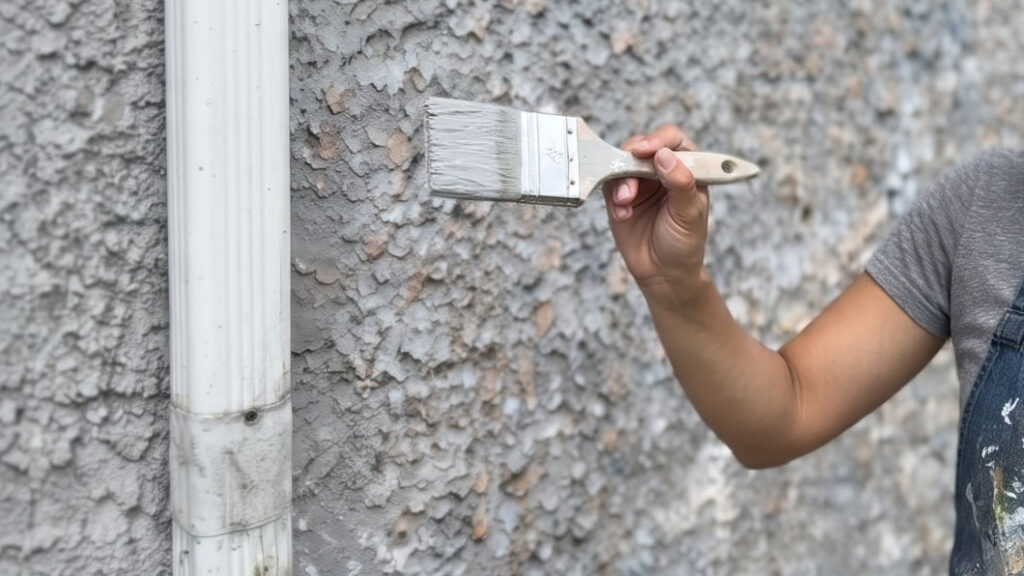
If you live on the Emerald Coast, you already know that the Florida Panhandle is a wonderful place to own a home. You also know that it is hard on your house. Strong sun, heavy humidity, sudden storms, and salty Gulf air all work together to wear down exterior paint faster than in most parts of the country.
That is why choosing the best exterior paint for Florida is about much more than color. The wrong product can peel, chalk, fade, or grow mildew within a couple of years. The right product, applied correctly, can protect your home and keep it looking sharp for many years.
This guide explains what to look for, which paint types work best on different surfaces, how to prepare your home, and when to paint. It was written for homeowners in Fort Walton Beach, Destin, Miramar Beach, Panama City Beach, and across the Florida Panhandle.
This article offers general guidance. Always follow the manufacturer’s instructions for any product, and ask a qualified painter to evaluate your home’s specific needs.
Why Florida's Climate Is So Hard on Exterior Paint
Exterior paint has a tough job anywhere. In coastal Florida, it faces several challenges at once:
- Intense sun. Ultraviolet (UV) rays break down paint binders and fade color. Over time, this causes chalking, where a powdery film appears on the surface.
- High humidity. Constant moisture encourages mildew and algae, especially on shaded, north-facing walls and areas with poor airflow.
- Salt air. Near the Gulf, salt in the air settles on surfaces. It can attract moisture, speed up corrosion on metal, and weaken coatings that are not designed for it.
- Heavy rain and storms. Wind-driven rain pushes water into any crack or gap, and a failing paint film lets it reach the material underneath.
- Heat. High surface temperatures can make paint expand, soften, and age more quickly.
In short, Florida paint has to resist fading, moisture, mildew, and salt, and it has to stay flexible as materials expand and contract with the heat. That list of requirements shapes everything that follows.
What to Look for in the Best Exterior Paint for Florida
Not all exterior paint is equal, even when the cans look similar. These are the features that matter most on the Gulf Coast.
100 percent acrylic latex
High-quality, water-based, 100 percent acrylic latex paint is the standard recommendation for most exterior surfaces in humid climates. It stays flexible, resists UV damage better than many alternatives, and allows some moisture vapor to escape instead of trapping it behind the film. It also cleans up with water and has lower odor than oil-based products.
Built-in mildew resistance
Look for products that state they contain mildew-resistant additives. They do not make a surface immune, but they help slow growth in humid, shaded areas.
UV and fade resistance
Choose paints that advertise strong UV protection and color retention, especially for sun-exposed walls. Premium lines often use higher-quality pigments and resins that hold their color longer.
Flexibility and adhesion
Homes expand and contract with temperature and moisture changes. A flexible paint film is less likely to crack and peel. Good adhesion matters just as much, which is why proper primer and preparation are so important.
A long manufacturer’s warranty
A longer warranty does not guarantee performance, but it often signals a more durable product line. Read the terms carefully, because warranties usually depend on correct surface preparation and application.
A quality product line, not the cheapest can
In Florida, inexpensive paint is often the most expensive choice in the long run, because it may need to be repainted sooner. Mid-range and premium exterior lines generally offer better coverage, durability, and color retention.
Exterior Paint Types Compared
Acrylic latex is the all-around choice for most siding, trim, soffits, and many masonry surfaces. It offers a good balance of durability, flexibility, and breathability.
Elastomeric coatings are thick, rubber-like coatings often used on stucco and masonry. They bridge hairline cracks and add a waterproofing layer, which can be helpful in rainy climates. However, they are not right for every surface. Because they form a heavy film, they can trap moisture if the wall is already damp, so proper evaluation matters. Ask a professional whether elastomeric coating suits your home.
Masonry and stucco paints are formulated to bond with cement-based surfaces and resist the alkalinity that can damage ordinary paint.
Oil-based (alkyd) paints and primers are sometimes used for specific jobs, such as priming bare wood or metal. For topcoats, however, they tend to chalk and fade in strong sun and can feed mildew, so water-based acrylics are usually preferred outdoors in Florida.
Rust-inhibiting and metal coatings are designed for railings, gates, shutters, and other metal items, which are especially vulnerable to salt air.
Best Paint by Surface
Different parts of your home need different solutions. Here is a surface-by-surface guide.
Stucco
Stucco is very common in Florida, and it is porous. It needs a good masonry primer or filler to seal the surface and an appropriate topcoat, such as a high-quality acrylic or an elastomeric coating where suitable. Before painting, cracks should be repaired, and any moisture issues should be resolved. If you see white, chalky deposits called efflorescence, they need to be treated, because they signal moisture moving through the wall. You can see an example of this kind of work in our stucco and wood soffit painting project.
Wood siding, soffits, and fascia
Wood takes a beating from moisture and sun. Rotted or soft sections should be repaired or replaced before painting. Bare wood needs a quality exterior primer, and all seams and joints should be properly caulked with a flexible exterior caulk. Then apply two coats of 100 percent acrylic topcoat for best protection. Soffits and fascia are especially important because they are exposed to rain, humidity, and wasps and often get ignored until they fail.
Fiber cement and composite siding
These materials are more stable than wood and hold paint well, but they still need proper priming and a high-quality acrylic finish. Follow the siding manufacturer’s recommendations.
Metal railings, gutters, and shutters
Salt air makes metal especially vulnerable to rust. Remove loose rust, treat or prime with a rust-inhibiting primer, and finish with a coating made for metal. Check these areas often, since small spots of rust can spread quickly in a coastal environment.
Brick and concrete block
These are porous, so they need breathable masonry-grade products. Be careful when painting brick, because it can be difficult to reverse and may trap moisture if the wrong coating is used.
Doors and trim
Front doors and trim take heavy wear. A durable exterior acrylic enamel in a semi-gloss or satin finish resists moisture and cleans easily.
Choosing the Right Sheen
The finish affects both appearance and performance.
- Flat or matte hides surface flaws and is common on stucco and large wall areas, but it can hold dirt and mildew more easily.
- Satin or low-sheen offers a good balance of look and washability for most siding.
- Semi-gloss is a good choice for trim, doors, and shutters because it sheds water and wipes clean.
In humid areas, a bit more sheen can make routine cleaning easier, but very glossy finishes show imperfections more. Your painter can recommend the right choice for each surface.
Choosing Colors for Florida Sun and Heat
Color is not only a style decision on the Gulf Coast. It also affects how your paint ages.
- Lighter colors reflect more sunlight and heat, tend to fade less visibly, and can help keep walls cooler.
- Deep, dark colors absorb more heat and may fade faster under intense UV. If you love a dark shade, choose a premium paint with strong UV and fade resistance, and expect to maintain it more closely.
- Coastal palettes, such as soft whites, sandy neutrals, and muted blues and greens, are popular for good reason. They suit the setting and tend to hold up well.
If you live in a community with a homeowners association, check the rules on exterior colors before you commit. Many HOAs require approval.
It is hard to judge an exterior color from a small sample. Pros Rem uses AI-powered visual previews so you can see how different colors will look on your own home before any paint goes on the walls. You can compare options in different shades, adjust, and approve the look with confidence.
Preparation Matters More Than the Paint
Even the best exterior paint for Florida will fail if it is applied over a dirty, damp, or damaged surface. Most paint failures trace back to poor preparation. A thorough job typically includes:
- Washing the surface. Low-pressure washing removes dirt, chalk, loose paint, and salt residue. Too much pressure can damage wood, stucco, and siding.
- Treating mildew and algae. Mildew has to be killed and removed, not just painted over. Use an appropriate cleaner and rinse thoroughly.
- Rinsing away salt. In coastal areas, salt film left on a surface can interfere with adhesion, so a careful rinse is important.
- Scraping and sanding. Remove loose and peeling paint, and feather the edges.
- Repairing damage. Fix rotted wood, cracked stucco, and failed caulk. Painting over damaged materials only hides the problem for a short time.
- Treating rust. Remove loose rust and apply a rust-inhibiting primer on metal.
- Priming. Use the right primer for each surface, especially on bare wood, stucco, and repaired areas.
- Letting everything dry. Surfaces must be completely dry before paint goes on.
If you notice water stains, soft spots, or recurring mildew, find and fix the moisture source first. Our guide to rebuilding after a hurricane explains why painting over damp or damaged surfaces leads to failure.
When to Paint Your Home's Exterior in Florida
El momento de la aplicación influye tanto en los resultados como la elección del producto. La mayoría de las pinturas para exteriores incluyen instrucciones en la etiqueta sobre los rangos de temperatura y humedad aceptables, y es importante seguirlas. En Florida, tenga en cuenta estos puntos:
- Evite pintar bajo la lluvia o cuando se pronostiquen lluvias próximamente. La pintura fresca necesita tiempo para secarse antes de mojarse.
- Presta atención al rocío matutino. La humedad en las superficies puede interferir con la adherencia, por lo que los pintores suelen esperar a que las superficies se sequen.
- Evite pintar bajo la luz solar directa e intensa siempre que sea posible. La pintura que se seca demasiado rápido puede descascarillarse, ampollarse o adherirse mal.
- Ten en cuenta la temporada de huracanes. Va de junio a noviembre, así que planifica con anticipación y mantén la flexibilidad en tu horario.
- Elija un clima estable. Muchos propietarios de viviendas en la costa del Golfo consideran que la primavera y el otoño ofrecen condiciones más agradables, aunque un buen pintor puede trabajar durante todo el año gestionando las condiciones climáticas.
How Long Does Exterior Paint Last in Florida?
There is no single answer. Longevity depends on the quality of the paint, the quality of the prep, the surface, the color, and how exposed your home is to sun and salt. Many exterior paint jobs in humid, sunny climates last roughly five to ten years, and homes right on the coast or with heavy sun exposure may need attention sooner.
Signs that it is time to repaint include:
- Peeling, bubbling, or cracking paint
- Chalky residue when you rub the wall
- Noticeable fading or uneven color
- Mildew or algae that returns quickly after cleaning
- Cracked caulk or gaps around windows, doors, and trim
- Exposed wood, stucco, or bare patches
- Rust stains on metal or streaks running down walls
Catching problems early often means a simpler and less costly repaint.
Maintaining Your Exterior Paint
A little care extends the life of any paint job.
- Rinse your home gently once or twice a year to remove salt, dirt, and pollen.
- Clean mildew as soon as you see it.
- Inspect caulk, trim, and soffits regularly, especially after storms.
- Touch up chips and scrapes before moisture gets in.
- Trim vegetation that touches the house or blocks airflow.
- Keep sprinklers from spraying directly on walls.
- Check metal items for rust and treat spots early.
Common Mistakes to Avoid
- Elegir la pintura más barata suele implicar tener que reemplazarla antes.
- Saltarse la preparación. Pintar sobre suciedad, moho o pintura descascarada casi siempre da resultado.
- Pintar sobre problemas de humedad puede provocar burbujas, descamación o la aparición de moho.
- Utilizar el producto incorrecto en estuco o mampostería. Un revestimiento inadecuado puede atrapar la humedad o no adherirse correctamente.
- Ignorar la sal. Omitir el enjuague con sal puede perjudicar la adherencia cerca de la costa.
- Aplicar pintura en condiciones climáticas adversas. La lluvia, el rocío y el calor extremo pueden arruinar una capa de pintura recién aplicada.
- Aplique solo una capa. La mayoría de las superficies necesitan dos capas para una protección y cobertura completas.
- Se observan grietas en el sellado y los remates. El agua se filtra detrás de la pintura.
Hiring a Painter for a Coastal Florida Home
A skilled painter understands local conditions, and that experience can matter as much as the product. When you gather estimates:
- Ask for a written estimate that lists the prep steps, products, number of coats, and timeline.
- Ask which specific brand and product line will be used. “Premium paint” can mean very different things.
- Request proof of liability insurance and workers’ compensation coverage or a valid exemption. Requirements vary, so check what applies locally.
- Ask about the warranty on both materials and workmanship.
- Check local references and reviews.
- Be cautious about unusually low bids, large upfront deposits, and pressure to sign immediately.
For help understanding pricing, see our interior painting cost guide, which also explains how to compare quotes.
How Pros Rem Can Help
Pros Rem is a Fort Walton Beach remodeling company serving Destin, Miramar Beach, Panama City Beach, and surrounding communities. Our team handles exterior and interior painting, along with the repair work that often goes with it, such as drywall, trim, and carpentry. We provide clear written estimates that explain the prep, the products, and the scope, so you know what to expect before work begins.
Before we paint, we can also show you the result. Our AI-powered visual previews let you see different colors on your own home, so you can choose with confidence.
If you are planning to repaint your home’s exterior, contact Pros Rem for a free estimate. You can also learn more about our professional painting services.
Frequently Asked Questions
What is the best exterior paint for Florida homes? For most surfaces, a high-quality, 100 percent acrylic latex paint with mildew resistance and strong UV protection is the best starting point. Stucco, metal, and other surfaces may need specialized primers or coatings, so the best choice depends on what you are painting.
Is elastomeric paint good for Florida stucco? It can be, because it bridges hairline cracks and adds a waterproofing layer. However, it forms a thick film and can trap moisture if the wall is damp, so it should be chosen after a professional evaluation.
How does salt air affect exterior paint? Salt can weaken adhesion, speed up corrosion on metal, and hold moisture against surfaces. Rinsing salt residue, using rust-inhibiting primers on metal, and choosing durable coatings all help.
What color holds up best in Florida sun? Lighter colors usually show less fading and reflect more heat. Darker colors can look beautiful but tend to fade faster, so they call for premium UV-resistant paint and closer maintenance.
How often should I repaint the exterior of my Florida home? Many homes need repainting roughly every five to ten years, depending on the paint, prep, sun exposure, and distance from the coast. Watch for peeling, chalking, fading, and returning mildew.
Can I paint right after a hurricane? Only when surfaces are completely dry and any damage has been repaired. Painting over moisture, mold, or damaged materials will cause the new paint to fail.
Final Thoughts
The best exterior paint for Florida is a combination of the right product, the right preparation, and the right timing. Choose a high-quality acrylic or another coating suited to your surface, protect against mildew, UV, and salt, and do not skip the prep work. A good painter who understands the Gulf Coast climate will help you avoid costly mistakes.
When you are ready to protect and refresh your home, our team at Pros Rem is here to help you every step of the way.
