

Best Flooring for Florida Homes: Tile, Vinyl Plank, or Hardwood?
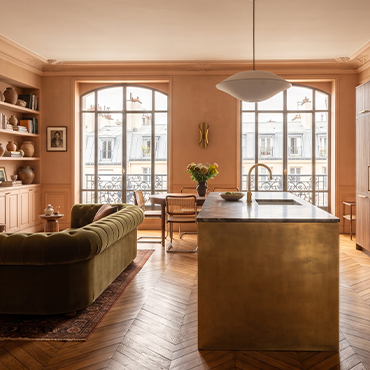
Choosing new floors is one of the most satisfying parts of a remodel, and one of the easiest to get wrong. A floor that looks beautiful in a showroom can behave very differently in a Florida home, where humidity is constant, storms bring water, and sand and sunshine find their way into every room.
The question most homeowners ask is simple: what is the best flooring for Florida homes? The honest answer is that it depends on the room, your lifestyle, your budget, and how the home is built. Tile, luxury vinyl plank, and hardwood each have real strengths and real weaknesses in this climate.
This guide compares them side by side, along with a few other options, and helps you match each one to the right space. It was written for homeowners in Fort Walton Beach, Destin, Mary Esther, Shalimar, Niceville, Santa Rosa Beach, Miramar Beach, and across the Emerald Coast.
This article offers general guidance. Products and conditions vary, so ask a qualified flooring professional to evaluate your home before you buy.
Why Florida Is Tough on Floors
Flooring has to deal with conditions most of the country does not face at the same time.
- Humidity. Constant moisture in the air makes wood absorb water, makes some materials swell or gap, and encourages mildew.
- Concrete slabs. Many Florida homes sit on a concrete slab, which can release moisture vapor upward. That affects which floors can be installed and how they must be prepared.
- Storms and flooding. Hurricanes, heavy rain, and plumbing or roof leaks can put water on the floor. How a material handles water can decide whether you repair it or replace it.
- Heat and sun. Strong sunlight through windows can fade finishes and make some products expand and contract.
- Sand and grit. Beach living means abrasive debris that wears down finishes.
- Heavy use. Vacation rentals, pets, kids, and constant foot traffic test every surface.
The best floor is the one that handles the conditions in your particular room, not just the one that looks best in a photo.
Tile: The Florida Classic
Tile has been a staple in Florida homes for generations, and for good reason.
Pros
- Excellent with water. Porcelain and ceramic tile are not damaged by moisture itself, which makes them a strong choice for bathrooms, kitchens, laundry rooms, entries, and any area that could get wet.
- Durable. Quality porcelain resists scratches, stains, and heavy traffic.
- Cool underfoot. In a hot climate, many people love the cool feel of tile.
- Flood resilience. After a flood, tile often survives, though the subfloor and adhesive beneath it may need attention.
- Low maintenance. It is easy to clean, and it does not trap allergens.
- Wide range of styles. Today’s tile can imitate wood, stone, or concrete convincingly.
Cons
- Hard and unforgiving. Dropped dishes break, and standing for long periods can tire legs and joints.
- Grout needs care. Grout can stain or grow mildew in humid areas unless it is sealed or uses a stain-resistant formula.
- Cracking risk. Tile can crack if the slab moves or the subfloor is not properly prepared.
- Slippery when wet. Some finishes are slick, so choose a slip-resistant rating, and ask your installer about the dynamic coefficient of friction (DCOF) rating.
- More labor-intensive installation. Tile typically takes longer and costs more to install than click-lock products.
Best for: bathrooms, kitchens, laundry rooms, entryways, lanais, and whole-home use in homes where durability and moisture resistance come first.
For installation details, see our tile installation services.
Luxury Vinyl Plank: The Versatile Favorite
Luxury vinyl plank, often called LVP, has become one of the most popular floors in Florida, and it is easy to see why.
Pros
- Water-resistant or waterproof cores. Many LVP products are designed to handle spills, humidity, and moisture far better than wood or laminate.
- Realistic looks. Modern LVP can look remarkably like hardwood, with texture and variation.
- Comfortable and quieter. It is softer underfoot than tile and absorbs sound better.
- Durable. A good wear layer resists scratches, scuffs, and daily traffic.
- Fast installation. Many products click together and install more quickly than tile or hardwood.
- Budget-friendly. LVP often costs less than tile or real hardwood, though prices vary widely by quality.
- Rental-friendly. Individual planks can often be replaced if damaged.
Cons
- Quality varies enormously. Cheap products can dent, fade, or peel, so look at the wear layer, thickness, core construction, and warranty.
- Not the same as indestructible. Water can still seep through seams or edges and get trapped underneath if a leak or flood is not dealt with quickly.
- Heat and sun sensitivity. Strong direct sunlight and high temperatures can cause some products to expand, shift, or fade, especially in sunrooms and near large windows.
- Needs a flat subfloor. Uneven slabs can telegraph through the planks.
- Dents from heavy furniture. Pointed legs and heavy items can leave marks.
- Resale perception. Some buyers still prefer real wood or tile, depending on the market.
Best for: living areas, bedrooms, hallways, kitchens, vacation rentals, and homeowners who want a wood look with strong moisture performance and a lower price.
Hardwood: Beautiful, but Handle With Care
Hardwood is timeless, and many homeowners love its warmth and character. In Florida, however, it comes with extra considerations.
Pros
- Beauty and warmth. Few floors match the look and feel of real wood.
- Long life. Solid hardwood can often be sanded and refinished multiple times.
- Resale appeal. Many buyers see hardwood as a premium feature.
- Engineered options. Engineered hardwood, which has a layered core, is generally more stable in humid conditions than solid wood.
Cons
- Sensitive to humidity and water. Wood absorbs moisture, which can cause cupping, gapping, warping, and buckling.
- Concrete slab limitations. Solid hardwood generally is not installed directly over concrete. Engineered products may be, but only with proper moisture testing and the right installation method.
- Not for wet rooms. Bathrooms and laundry rooms are poor choices.
- Vulnerable to floods and leaks. Hardwood exposed to standing water often needs replacement.
- Maintenance. It can scratch, and finishes wear in high-traffic areas.
- Higher cost. Materials and installation typically cost more.
- Needs climate control. Wood performs best with steady indoor humidity, so your air conditioning matters.
Best for: upper floors and wood-subfloor homes, formal living areas, and bedrooms, especially with engineered hardwood and consistent climate control.
Other Options Worth Knowing
Laminate. It is budget-friendly and can look like wood. However, the core is typically made of fiberboard that can swell when it gets wet. Water-resistant versions exist, but laminate is generally less forgiving than LVP in humid or flood-prone areas.
Natural stone. Travertine, marble, and similar stones are beautiful and cool, but they usually need sealing and regular maintenance, and some are more delicate than porcelain.
Carpet. It is soft and quiet, but in humid climates it can hold moisture and encourage mildew. Many Florida homeowners limit it to bedrooms, if they use it at all.
Polished or stained concrete. It is durable and modern in appearance, but it requires skilled finishing and may not suit every home.
How Each Floor Handles a Flood or Leak
Because water events are a real part of Florida living, it helps to know how floors typically respond. Our guide to water damaged drywall and flooring goes deeper, but here is a quick overview.
- Tile: often survives, though the grout, adhesive, and subfloor may need inspection and drying.
- Luxury vinyl plank: may be saved if the water was clean and the planks can be lifted and dried, but trapped moisture is a concern.
- Engineered hardwood: may tolerate small spills but usually does not recover from standing water.
- Solid hardwood: may be dried in some cases if caught fast, but often cups or buckles.
- Laminate: edges and seams often swell and do not recover.
- Carpet: after floodwater, it is typically discarded.
If your home has flooded before, or sits in a flood-prone area, that history should weigh heavily in your decision.
Room-by-Room Recommendations
- Kitchens: tile or LVP are both strong choices. Tile offers durability, and LVP offers comfort.
- Bathrooms and laundry rooms: tile is usually the best choice. LVP can also work, with proper installation.
- Living rooms and family rooms: LVP, engineered hardwood, or tile that looks like wood.
- Bedrooms: LVP, engineered hardwood, or carpet, depending on your preference.
- Entryways and lanais: slip-resistant tile.
- Hallways: LVP or tile for durability.
- Garages and utility rooms: tile or sealed concrete.
- Vacation rentals: LVP or tile for durability, easy cleaning, and quick turnaround.
A consistent floor throughout the main living areas also makes a home feel larger and more cohesive.
Comfort, Safety, and Aging in Place
If you plan to stay in your home for years, think about how floors feel and behave over time.
- Slip resistance matters, especially near doors, showers, and kitchens.
- Softer surfaces, such as cushioned LVP or cork, are gentler on feet, knees, and hips than tile.
- Consistent levels between rooms reduce trip hazards.
- Low-glare finishes are easier on the eyes.
Our guide to aging in place home remodeling ideas covers these considerations in more detail.
Condos, HOAs, and Sound Rules
If you live in a condo, check your association’s rules before you buy anything. Many condominiums require specific sound-reducing underlayment, limit hard-surface flooring on upper floors, restrict work hours, and require approval before installation. Ask your association for the written requirements, and share them with your installer.
What About Cost?
Prices vary widely by product quality, room size, subfloor condition, and labor. In general, LVP and laminate tend to cost less, while tile and hardwood tend to cost more, particularly once installation and preparation are included. The cheapest option is not always the best value if it needs replacing sooner.
When you compare estimates, make sure each one covers the same items: materials, removal of old flooring, subfloor repair and leveling, moisture testing, underlayment, transitions, baseboards, and cleanup. For help setting a realistic number, see our guide on how to budget for a home remodel.
Preparation Matters as Much as the Product
Even the best floor fails when it is installed over a poor foundation. A professional installation typically includes:
- Moisture testing, especially over concrete slabs
- Subfloor evaluation, with leveling and repairs where needed
- Removal and disposal of old flooring
- Acclimation, allowing certain products, such as wood, to adjust to the home’s humidity before installation
- The right underlayment or moisture barrier for the product and the building
- Proper expansion gaps and transitions
- Careful finishing, including trim and baseboards
Skipping these steps is one of the main reasons floors cup, gap, crack, or fail early.
Common Mistakes to Avoid
- Choosing on looks alone. A beautiful floor that cannot handle humidity becomes a headache.
- Installing solid hardwood directly over concrete.
- Ignoring moisture testing.
- Buying the cheapest vinyl. Thin wear layers and poor construction can fail quickly.
- Skipping subfloor repair. New flooring over a poor surface rarely lasts.
- Forgetting about slip resistance.
- Not checking HOA or condo rules.
- Installing over damp floors after a leak or storm. Moisture must be resolved first.
- Hiring on price alone. Quality installation matters as much as the material.
Choosing an Installer
A good installer is as important as a good product. Ask for written estimates, check local references and reviews, request proof of insurance, and confirm what is included. Our guide on how to choose a remodeling contractor in Fort Walton Beach explains what to verify and which questions to ask.
See Your New Floor Before It Goes Down
It is hard to picture a floor from a small sample. Pros Rem uses AI-powered visual previews, starting from photos of your own rooms, so you can see how different flooring styles and colors could look in your actual space before installation begins. You can compare options, ask for changes, and approve the look with confidence.
How Pros Rem Can Help
Pros Rem is a Fort Walton Beach remodeling company, and flooring installation and repair is one of our core services. We work with luxury vinyl plank, hardwood, laminate, and tile, and we also handle the drywall, trim, paint, and repair work that often goes with a flooring project, all with a single point of contact. We provide clear written estimates, so you know exactly what is included before work begins.
If you are deciding which floor is right for your home, contact Pros Rem for a free estimate. You can also learn more about our flooring services.
Frequently Asked Questions
What is the best flooring for Florida homes? There is no single best floor, but tile and luxury vinyl plank are the most popular choices because they handle humidity and moisture well. Engineered hardwood can work in the right conditions.
Is luxury vinyl plank waterproof? Many LVP products have water-resistant or waterproof cores, but water can still seep through seams and edges and get trapped underneath. Quick cleanup and good installation matter.
Can I install hardwood in Florida? Yes, in the right conditions. Engineered hardwood is generally more stable than solid wood, solid hardwood typically needs a wood subfloor, and any wood floor needs steady indoor humidity and proper moisture testing over concrete.
Is tile or vinyl better for Florida? Tile is the most durable and best with water, while vinyl is warmer, quieter, and usually less expensive. The right choice depends on the room and your priorities.
What flooring is best for a vacation rental? Most owners choose luxury vinyl plank or tile, because they are durable, easy to clean, and fast to repair or replace.
What flooring is best if my home has flooded before? Tile is generally the most flood-resilient option. Avoid solid hardwood, laminate, and carpet in areas prone to flooding.
Do I need to remove my old flooring first? Sometimes you can install over existing floors, but it depends on the product, the condition of the old floor, and manufacturer requirements. A professional can advise you.
Final Thoughts
The best flooring for Florida homes is the one that fits the room, the climate, and the way you live. Tile is the durable, water-friendly classic. Luxury vinyl plank offers a comfortable, versatile, budget-friendly option. Hardwood adds beauty and warmth when the conditions are right. Whatever you choose, invest in proper preparation and a skilled installer.
When you are ready to choose and install your new floors, our team at Pros Rem is here to help you every step of the way.
Pros Rem Services by City
Pros Rem proudly serves homeowners and property owners across the Emerald Coast. Explore our services and find your city below.
Our services
- Painting
- Flooring
- Drywall
- Tile installation
- Carpentry
- Bathroom remodeling
- Kitchen remodeling
- Water damage restoration
- Fire damage restoration
Where we work
