

Crown Molding, Baseboards, and Trim: How They Change a Room
By the Pros Rem Team | Fort Walton Beach, FL
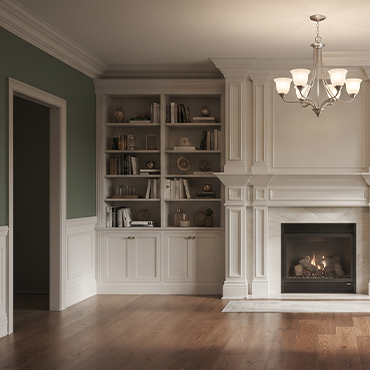
Walk into two rooms with the same size, the same paint color, and the same furniture. One feels flat and unfinished. The other feels polished, warm, and intentional. Very often, the difference comes down to a few strips of wood along the walls, doors, and ceiling.
Crown molding, baseboards, and trim are among the most underrated upgrades in a home. They are not flashy, and they do not cost as much as a kitchen or a bathroom remodel, but they shape how a room looks and feels more than most people realize. They frame the space, hide gaps, protect walls, and give a house character.
This guide explains what each type of trim does, how to choose styles and materials, and what to know about Florida’s humidity, termites, and tile floors before you install. It was written for homeowners in Fort Walton Beach, Destin, Mary Esther, Shalimar, Niceville, Santa Rosa Beach, Miramar Beach, and across the Emerald Coast.
This article offers general guidance. Every home is different, so ask a qualified carpenter to evaluate your walls, ceilings, and floors before you choose.
What Is Trim, Exactly?
“Trim” is the general word for the decorative and functional moldings that finish the edges and transitions in a home. The main types are:
- Baseboards. The strips along the bottom of walls, where the wall meets the floor.
- Crown molding. The decorative molding where walls meet the ceiling.
- Door and window casing. The molding that frames doors and windows.
- Chair rail. A horizontal molding, usually about waist height, that divides a wall.
- Wainscoting. Decorative paneling on the lower part of a wall, including beadboard and board and batten.
- Shoe molding or quarter round. A small strip at the base of the baseboard that covers the gap with the floor.
- Picture rail and other accents. Smaller moldings used for style or function.
Each one does a different job, and together they create the finished look of a room.
How Trim Changes a Room
Trim works on both a practical level and a visual one.
It adds architectural interest. Flat walls meeting a flat ceiling can feel plain. Trim adds lines, depth, and shadows that give a room structure.
It makes ceilings feel taller or cozier. Crown molding draws the eye upward and softens the sharp corner where the walls and ceiling meet. Wide trim in a light color can add a sense of height, while bold trim can make a large room feel more intimate.
It creates a finished look. A gap between a floor and a wall, or a rough edge around a door, makes a room look unfinished even when everything else is new. Trim covers those edges cleanly.
It hides imperfections. Slightly uneven walls, small gaps, and expansion joints disappear behind well-installed trim.
It protects your walls. Baseboards take the bumps from vacuums, shoes, furniture, and pets, which saves your drywall and paint.
It sets the style of the room. A simple, flat baseboard feels modern, a stacked traditional profile feels classic, and beadboard feels coastal.
It adds a sense of quality. Buyers and guests may not know the names of the moldings, but they notice when a home feels well built. Our guide to which remodeling projects add the most value explains how finish details influence first impressions, though the return of any specific project varies.
Baseboards: The Foundation of the Look
Baseboards are on almost every wall in your home, so they have a big impact on the overall feel.
Height. There is no single correct size, but a few general guidelines can help. For 8-foot ceilings, baseboards of roughly 3 to 5 inches are common, while higher ceilings often look better with taller baseboards, in the range of 5 to 7 inches or more. Taller baseboards tend to feel more substantial and upscale. Very tall baseboards in a small room can feel heavy.
Profile. Options range from simple and flat to stepped and ornate.
- Flat or square-edge baseboards feel clean and modern.
- Rounded or beveled profiles suit transitional homes.
- Stacked or layered profiles, which combine a baseboard, a cap, and sometimes a shoe, feel traditional and rich.
Matching. Baseboards should relate to the door and window casing. A few lines in common create a more cohesive look.
Floors matter. Baseboards sit right next to your flooring, so they should be considered together. If you are replacing floors, it is usually best to plan the trim at the same time. Our guide to the best flooring for Florida homes can help you choose the floor first.
Crown Molding: The Finishing Touch
Crown molding is often what people picture when they think of trim. It frames the ceiling line and can change a room dramatically.
Size. As a general guideline, a crown of about 3 to 5 inches suits many 8-foot ceilings, while taller ceilings can handle larger profiles. Crown that is too large for the room feels heavy, and crown that is too small can look like an afterthought.
Style. Choices include:
- Simple, clean profiles that suit modern and transitional rooms
- Traditional, layered profiles with curves and detail for classic homes
- Flat or minimal crown for contemporary spaces
- Cove or coastal-friendly styles that keep the look light and airy
Where to use it. Living rooms, dining rooms, entryways, primary bedrooms, and hallways are popular choices. You do not need to add it everywhere. Using it in the rooms people see most is a smart way to focus your budget.
Above kitchen cabinets. Crown molding can also be installed along the tops of cabinets for a built-in, furniture-like look.
A caution. Crown molding shows imperfections, particularly at corners and joints. Quality of installation matters more here than with almost any other trim.
Door and Window Casing
Casing frames your doors and windows, and it is a quick way to upgrade a room’s look. Wider, more substantial casing makes openings feel more important, while thin, plain casing can look builder-grade. Many older Florida homes have minimal casing, so updating it can make a visible difference.
Wainscoting, Chair Rail, and Coastal Details
These styles add texture and personality, and several suit Florida’s coastal character.
- Beadboard has vertical grooves and gives a light, cottage and beach feel.
- Board and batten uses flat boards and narrow strips for a clean, modern farmhouse or craftsman look.
- Shiplap has horizontal boards and works well in coastal and casual rooms.
- Chair rail divides the wall, protects it from furniture, and can anchor two paint colors.
- Picture frame molding forms decorative rectangles on the wall for a classic, tailored look.
These features work especially well in entryways, dining rooms, hallways, bathrooms, and laundry rooms.
Materials: What Works in Florida
The material you choose matters more in Florida than in many other places, because of humidity, termites, and sun.
Solid wood (pine, poplar, oak, and others).
- Pros: Beautiful, can be stained or painted, strong, and easy to repair.
- Cons: Absorbs moisture, can swell, shrink, and crack at joints, and is vulnerable to termites and rot.
- Best for: Interior areas with stable humidity, or stained finishes.
MDF (medium-density fiberboard).
- Pros: Smooth, consistent, takes paint beautifully, and is usually less expensive.
- Cons: Swells and breaks down when exposed to water, so it is a poor choice for bathrooms, laundry rooms, ground-level areas prone to moisture, or anywhere that might flood. Moisture-resistant versions exist but still have limits.
- Best for: Dry, climate-controlled interior spaces.
PVC or cellular PVC.
- Pros: Waterproof, rot-proof, and unaffected by termites, which makes it popular for humid and coastal climates. It works well for baseboards in wet areas and for exterior trim.
- Cons: It expands and contracts with temperature more than wood, so it needs proper installation, flexible adhesives, and expansion gaps. It also has a different look and feel than wood.
- Best for: Bathrooms, laundry rooms, exterior trim, and flood-prone areas.
Polyurethane or polymer foam.
- Pros: Lightweight, moisture-proof, and available in detailed profiles, especially for crown molding and ornate pieces.
- Cons: Quality varies, and installation requires specific adhesives and techniques.
- Best for: Decorative crown and moldings where weight and moisture matter.
Finger-jointed primed pine.
- Pros: An affordable, paint-ready option.
- Cons: Joints can show over time, and it shares wood’s moisture weaknesses.
- Best for: Budget interior projects.
In Florida, many homeowners use moisture-resistant materials such as PVC in wet or low-lying areas, and quality wood or MDF in dry, conditioned living spaces. If termites are a concern, ask your pest control provider and your carpenter which materials make sense for your home.
Florida-Specific Challenges
- Humidity. Wood and MDF expand and contract with moisture, which can open gaps at corners and joints. Good caulking, quality materials, and acclimating products to the home before installation help.
- Termites. Wood trim, especially near the ground, can attract termites. Resistant materials and regular pest inspections reduce risk.
- Tile and uneven concrete floors. Many Florida homes have tile or slabs that are not perfectly level. Baseboards and shoe molding need to be scribed or adjusted to meet the floor cleanly.
- Water events. After a leak or flood, baseboards are often removed to let walls dry, then replaced. Choosing water-tolerant trim makes future repairs simpler. Our guide to water damaged drywall and flooring explains what happens in those situations, and our guide to mold and mildew on walls explains why checking behind baseboards matters.
- Exterior exposure. Fascia, soffits, and exterior casings face sun, rain, and salt, so use materials and paint designed for the conditions.
- Condo and HOA rules. Exterior changes often need approval, and condo work may be limited by hours and sound rules.
Choosing Trim Colors and Finishes
Color changes how trim reads in a room.
- Classic white trim is timeless. It brightens the room and contrasts with colored walls.
- Color-matched trim, painted the same shade as the walls, creates a calm, modern look and can make a room feel taller.
- Contrasting dark trim adds drama and definition. It works best in rooms with plenty of light.
- Wood-tone or stained trim adds warmth and traditional character.
For finish, many painters recommend a durable semi-gloss or satin for trim, because it is easy to clean and stands up to bumps and scuffs. A higher sheen also highlights imperfections, so preparation matters.
Paint and trim go together, so plan them together. For costs and planning, see our interior painting cost guide for Florida.
How Trim Is Installed
Understanding the process helps you judge quality and estimates.
- Measure and plan. Layout matters, especially for crown molding, which must be cut at precise angles.
- Prepare the walls. Repair damaged drywall and remove old trim carefully.
- Cut the pieces. Corners are either mitered, which means cut at an angle, or coped, which means one piece is shaped to fit the profile of the other. Coped inside corners often stay tighter as materials move.
- Fasten securely. Trim is typically nailed into studs and framing, with adhesive where appropriate.
- Fill and sand. Nail holes and seams are filled and smoothed.
- Caulk the joints. Flexible, paintable caulk closes small gaps and handles seasonal movement.
- Prime and paint. Many professionals prime and paint to get a smooth, durable finish.
The quality shows in the details: tight corners, clean caulk lines, straight reveals, and a smooth paint finish.
What Affects the Cost
Prices vary widely, so this article does not promise numbers. These are the main factors:
- Linear feet of trim
- The material chosen
- The complexity of the profile
- Ceiling height and difficulty of access
- The number of corners and angles
- The condition of the walls and floors, and any drywall repair needed
- Painting and finishing, which is a large part of the labor
- Removal and disposal of existing trim
- Whether the project is combined with flooring or painting
To plan the full project, read our guide on how to budget for a home remodel.
DIY or Hire a Professional?
Simple baseboards in a straight room can be a manageable project for a handy homeowner with the right tools. Crown molding is harder, because it requires precise angles and a steady hand, and mistakes show.
DIY may be reasonable for:
- Straight baseboard runs
- Simple shoe molding
- Minor repairs and touch-ups
Consider a professional for:
- Crown molding, especially in rooms with many corners
- Tall or layered baseboards
- Wainscoting, board and batten, and built-ins
- Uneven walls, ceilings, or floors
- Rooms where trim needs to match existing details
- Projects combined with drywall repair, flooring, and painting
- Moisture-prone areas where material choice matters
If you hire help, ask which licenses and permits apply to your project, since rules for specific trades can be nuanced, and ask for proof of insurance. Our guide on how to choose a remodeling contractor in Fort Walton Beach explains what to verify and which questions to ask.
Common Mistakes to Avoid
- Choosing trim that is too small or too large for the room. Proportion matters.
- Using MDF in wet areas. It swells and fails when exposed to moisture.
- Ignoring termites and humidity when choosing materials in Florida.
- Skipping caulk. Gaps at joints and walls are visible and let moisture in.
- Poor corner cuts. Gaps at miters stand out, especially with crown molding.
- Installing trim before the flooring is final. Plan the order of work.
- Mismatched profiles. Casing, baseboards, and crown should work together.
- Painting without proper preparation. Dust, gaps, and nail holes show through paint.
- Hiring without written estimates.
See Your Trim Before You Install It
It can be hard to picture how a wider baseboard or a new crown molding will look in your own room. Pros Rem uses AI-powered visual previews, starting from photos of your own rooms, so you can see how different trim styles and paint colors could look in your actual space before work begins. You can compare options, ask for changes, and approve the look with confidence.
How Pros Rem Can Help
Pros Rem is a Fort Walton Beach remodeling company, and carpentry is one of our core services. We install and repair trim, molding, and finish carpentry, along with the drywall, painting, flooring, and tile work that often goes with it, all with a single point of contact. We provide clear written estimates, so you know exactly what is included before work begins.
If you are thinking about adding or updating trim, contact Pros Rem for a free estimate. You can also learn more about our carpentry services, professional painting services, and drywall services.
Frequently Asked Questions
Does crown molding add value to a home? It can improve the look and perceived quality of a home, which buyers notice. The return on any specific project varies, so treat it as an upgrade for appearance and enjoyment more than a guaranteed financial gain.
What size baseboards should I choose? A common range is about 3 to 5 inches for 8-foot ceilings and 5 to 7 inches or more for taller ceilings. The best size depends on the room, the style, and the casing.
What is the best trim material for Florida? PVC and other moisture-resistant materials are popular for wet areas, exterior trim, and flood-prone spaces. Quality wood or MDF works in dry, conditioned interiors.
Can MDF baseboards be used in bathrooms? It is generally not recommended, because MDF swells when it gets wet. PVC or another moisture-resistant material is usually a better choice.
Should trim be painted the same color as the walls? It can be. Matching creates a modern, seamless look, while white or contrasting trim adds definition. Choose what suits your room and your style.
Do I need to remove old baseboards before replacing them? Usually yes, and carefully, so you do not damage the drywall. A professional can also repair the wall behind them.
Do I need a permit to install trim? Usually not for interior trim, but rules depend on the project and location, especially for exterior work or condos. Check with your local building department and your association.
Final Thoughts
Crown molding, baseboards, and trim do not draw attention to themselves, but they change how a room feels. Choose profiles that suit the size and style of your home, pick materials that can handle Florida’s humidity and termites, and invest in clean installation and careful painting. The result is a home that looks finished, comfortable, and well built.
When you are ready to upgrade your trim, our team at Pros Rem is here to help you every step of the way.
Pros Rem Services by City
Pros Rem proudly serves homeowners and property owners across the Emerald Coast. Explore our services and find your city below.
Our services
- Painting
- Flooring
- Drywall
- Tile installation
- Carpentry
- Bathroom remodeling
- Kitchen remodeling
- Water damage restoration
- Fire damage restoration
Where we work
